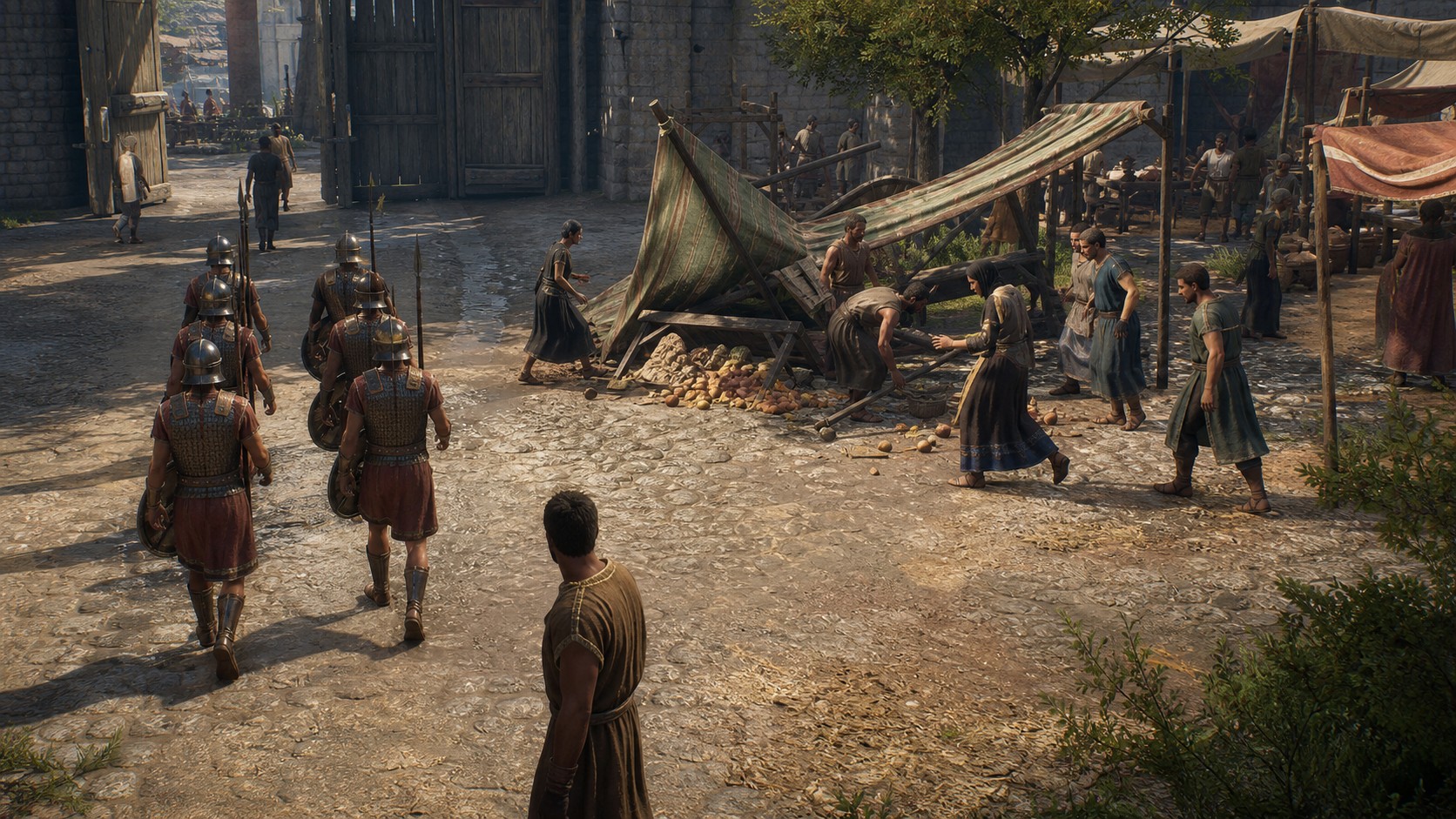
Rule-Based vs Learning NPCs in Sandbox Games

Rule-Based NPCs Are Clear and Controllable Rule-Based vs Learning NPCs in Sandbox Games matters because rule-based NPCs compared with learning NPCs changes what sandbox players who want to understand AI behavior styles can expect from a modern game. The best examples do not use AI as decoration. They use it to make choices more relevant, pacing more flexible, and consequences easier to feel across repeated sessions. The design still needs…
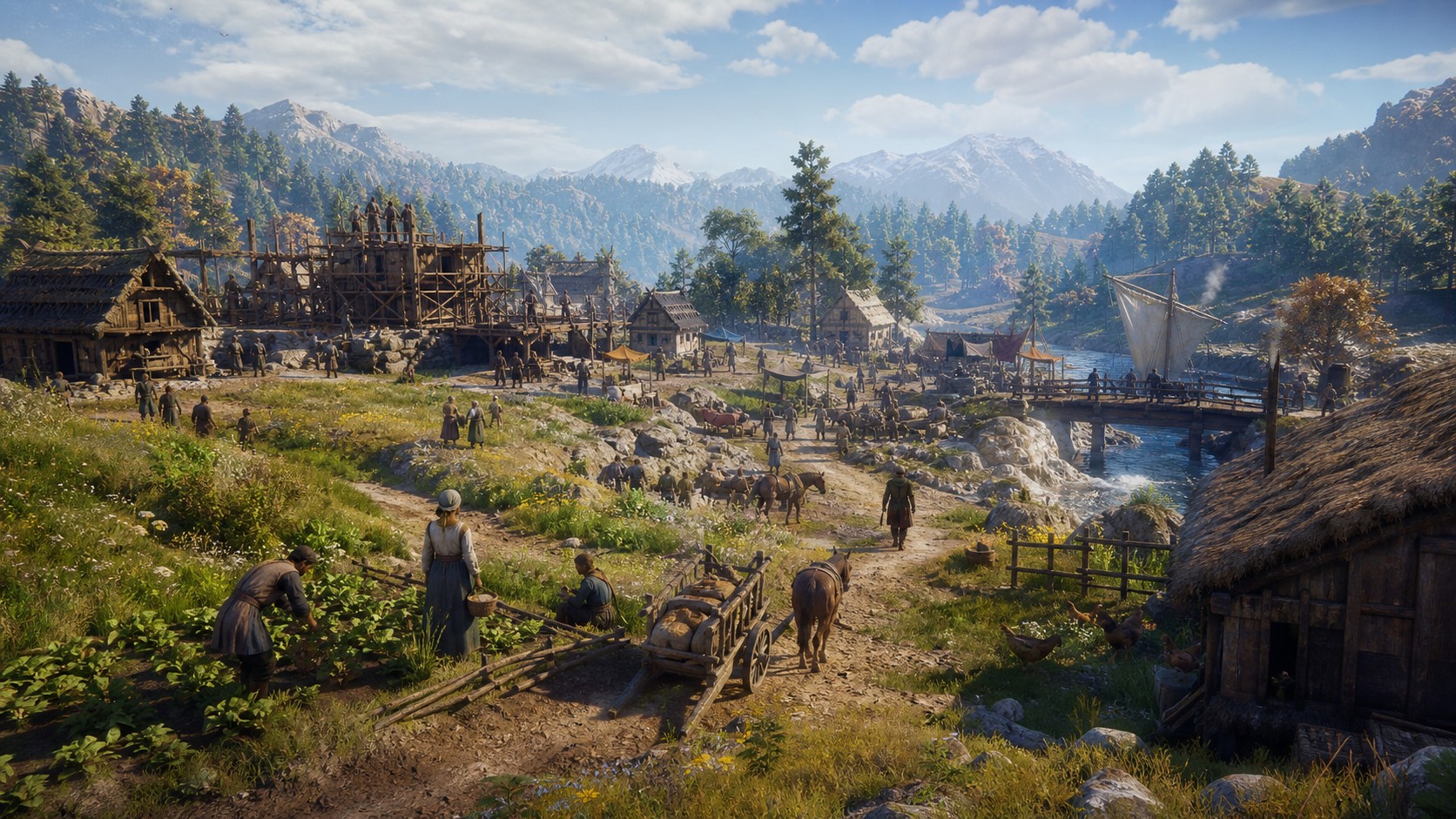
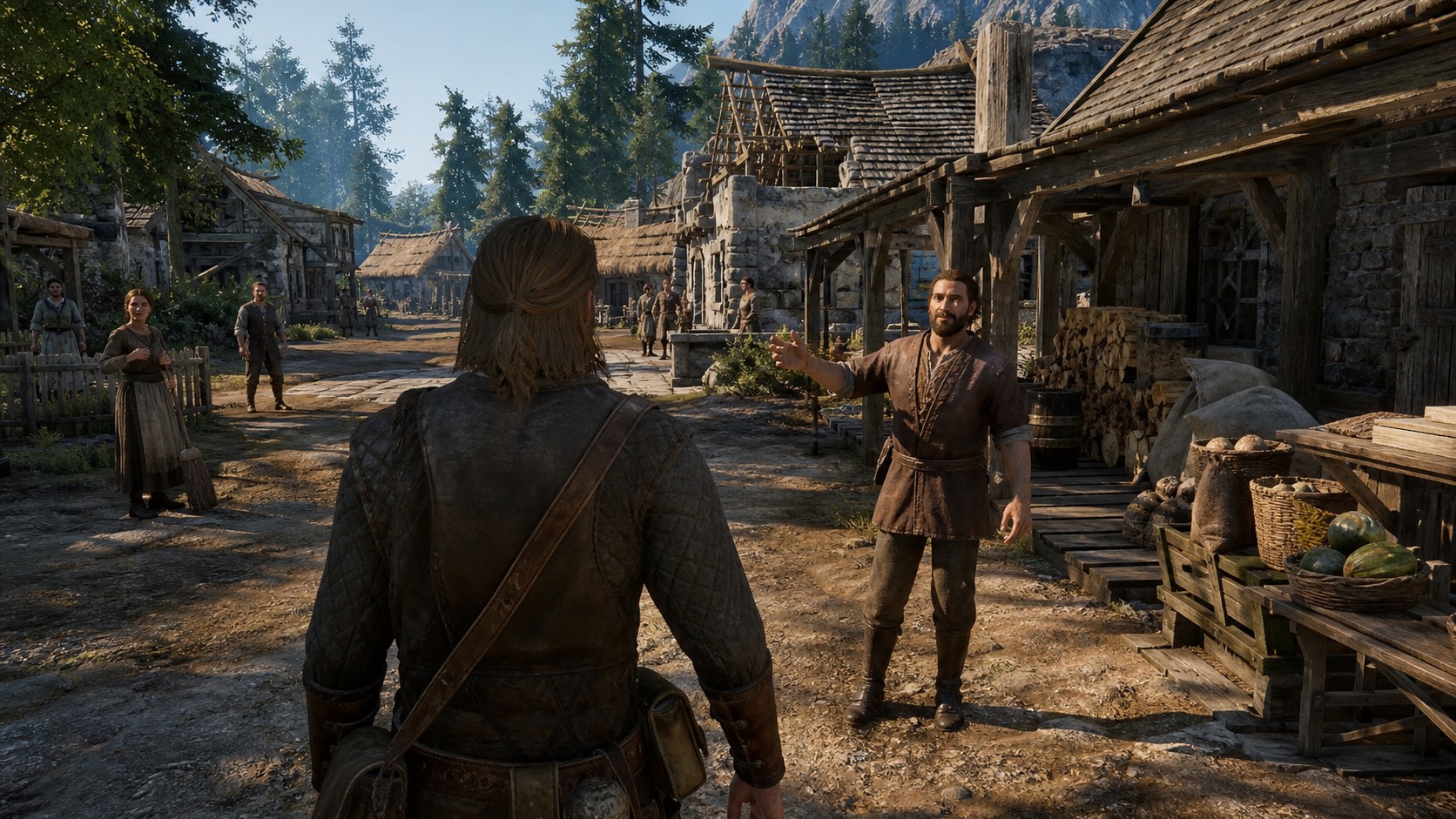
How Machine Learning Is Powering Autonomous NPC Worlds

Machine Learning Helps NPC Worlds Notice Patterns How Machine Learning Is Powering Autonomous NPC Worlds matters because machine learning behind autonomous NPC worlds changes what sandbox players curious about learning systems under living worlds can expect from a modern game. The best examples do not use AI as decoration. They use it to make choices more relevant, pacing more flexible, and consequences easier to feel across repeated sessions. The design…

NPCs That Remember You: Persistent AI in Sandbox Games

Remembered Players Make Sandbox Worlds Personal NPCs That Remember You: Persistent AI in Sandbox Games matters because persistent NPC memory of the player changes what sandbox players who value personal continuity with game characters can expect from a modern game. The best examples do not use AI as decoration. They use it to make choices more relevant, pacing more flexible, and consequences easier to feel across repeated sessions. The design…

The Role of Memory in Autonomous NPC Sandbox Worlds

Memory Turns NPC Behavior Into History The Role of Memory in Autonomous NPC Sandbox Worlds matters because memory systems in autonomous NPC sandbox worlds changes what sandbox players who want persistent worlds with remembered consequences can expect from a modern game. The best examples do not use AI as decoration. They use it to make choices more relevant, pacing more flexible, and consequences easier to feel across repeated sessions. The…

Can NPCs Truly Make Decisions? Inside Game AI Autonomy

NPC Decisions Are About Competing Goals Can NPCs Truly Make Decisions? Inside Game AI Autonomy matters because decision-making autonomy for NPCs changes what players curious about whether game characters can choose meaningfully can expect from a modern game. The best examples do not use AI as decoration. They use it to make choices more relevant, pacing more flexible, and consequences easier to feel across repeated sessions. The design still needs…
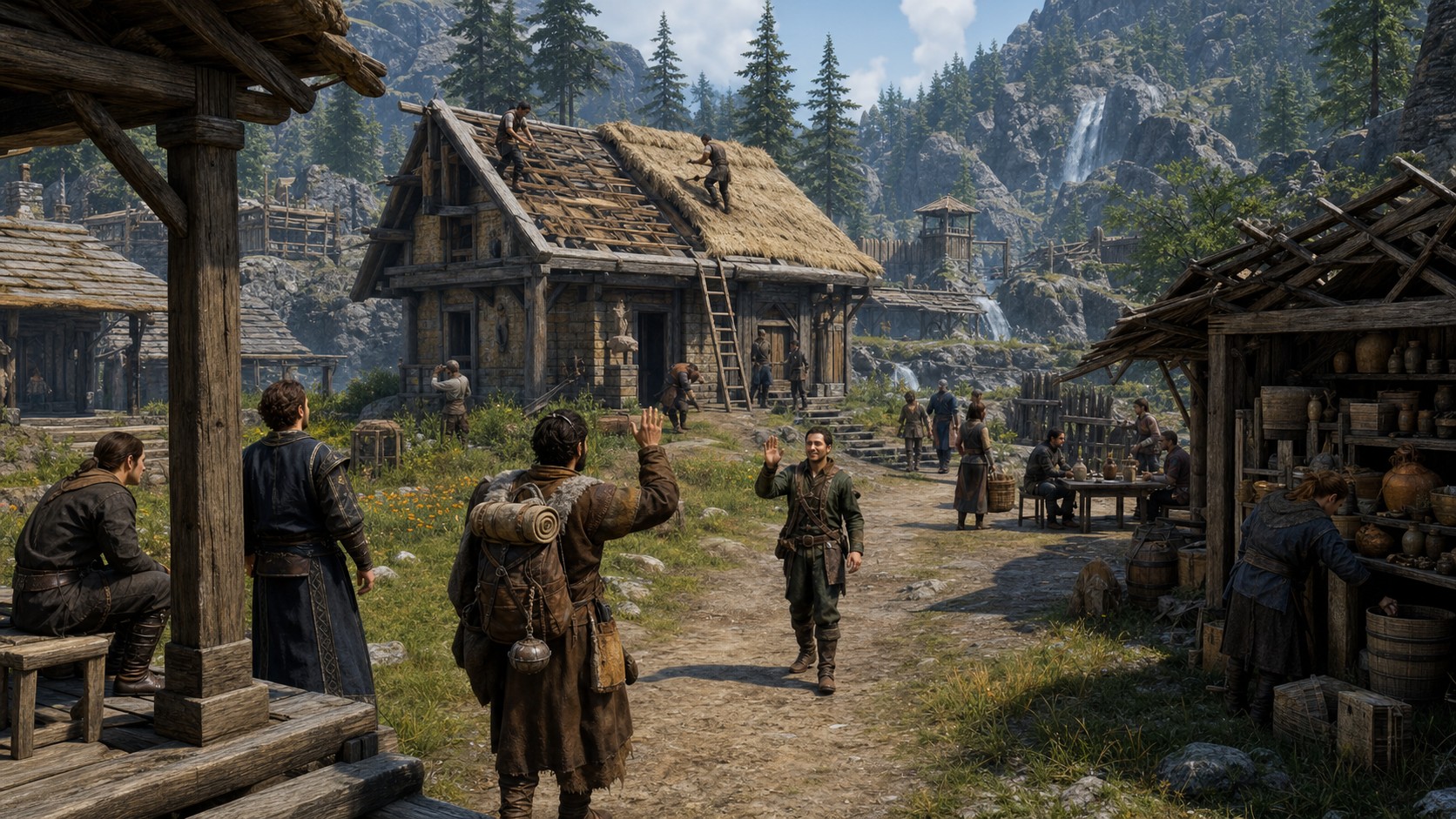
Why Autonomous NPCs Feel More Alive Than Traditional AI

Autonomous NPCs Feel Alive Because They Have Priorities Why Autonomous NPCs Feel More Alive Than Traditional AI matters because autonomous NPCs compared with traditional scripted AI changes what players who want game worlds to feel active and unscripted can expect from a modern game. The best examples do not use AI as decoration. They use it to make choices more relevant, pacing more flexible, and consequences easier to feel across…

The Psychology of Believable NPC Behavior in Games

Believable NPCs Need Social Logic The Psychology of Believable NPC Behavior in Games matters because psychology behind believable NPC behavior changes what sandbox players who notice social realism and emotional plausibility can expect from a modern game. The best examples do not use AI as decoration. They use it to make choices more relevant, pacing more flexible, and consequences easier to feel across repeated sessions. The design still needs human…

Dynamic NPC Societies in Sandbox Worlds Explained

NPC Societies Need Roles and Pressure Dynamic NPC Societies in Sandbox Worlds Explained matters because dynamic NPC societies in sandbox worlds changes what sandbox players who want believable social simulation can expect from a modern game. The best examples do not use AI as decoration. They use it to make choices more relevant, pacing more flexible, and consequences easier to feel across repeated sessions. The design still needs human judgment,…

How Autonomous NPCs Create Endless Replayability

Autonomous NPCs Create New Context How Autonomous NPCs Create Endless Replayability matters because autonomous NPCs creating replayability changes what sandbox players who want worlds that change between visits can expect from a modern game. The best examples do not use AI as decoration. They use it to make choices more relevant, pacing more flexible, and consequences easier to feel across repeated sessions. The design still needs human judgment, stable rules,…

Player as Observer: Games Where NPCs Live Without You

Observer Games Make the World Move First Player as Observer: Games Where NPCs Live Without You matters because sandbox games where NPCs live independently changes what sandbox players who enjoy observing autonomous worlds can expect from a modern game. The best examples do not use AI as decoration. They use it to make choices more relevant, pacing more flexible, and consequences easier to feel across repeated sessions. The design still…

How AI Understands Player Intent in VR Environments

VR Intent Is More Than Button Input How AI Understands Player Intent in VR Environments matters because AI intent recognition in VR environments changes what VR players curious about how games interpret movement and attention can expect from a modern game. The best examples do not use AI as decoration. They use it to make choices more relevant, pacing more flexible, and consequences easier to feel across repeated sessions. The…

AI Simulation Engines Powering Virtual Reality Worlds

VR Simulation Engines Make Worlds Behave AI Simulation Engines Powering Virtual Reality Worlds matters because AI simulation engines for VR worlds changes what VR players interested in worlds that feel alive through simulation can expect from a modern game. The best examples do not use AI as decoration. They use it to make choices more relevant, pacing more flexible, and consequences easier to feel across repeated sessions. The design still…