The New Question Behind Every Tap
Mobile games have always been clever. Long before artificial intelligence became a headline, developers were already designing games that could sense player progress, adjust challenge, reward persistence, and quietly guide users toward the next level, upgrade, or purchase. But today, the question feels bigger and more provocative: are AI mobile games becoming smarter than the human developers who create them? The answer is not as simple as yes or no. AI mobile games can process player behavior faster than any designer, test thousands of variations, personalize experiences in real time, and predict what might keep someone engaged. Yet human developers still bring the creative spark, emotional judgment, cultural awareness, humor, restraint, and storytelling instinct that machines cannot fully own. The real story is not AI replacing human developers. It is about a new creative rivalry where code, data, design, and imagination are all fighting for control of the player experience.
A: In data analysis and adaptation, yes. In creativity, taste, ethics, and storytelling, human developers still lead.
A: AI can help generate assets, code, ideas, and content, but a polished game still needs human direction.
A: AI helps personalize gameplay, balance difficulty, test systems, predict behavior, and create new content faster.
A: It can, especially when it improves pacing and challenge, but poor AI can make games feel repetitive or manipulative.
A: It is a system that changes challenge based on how well or poorly a player is performing.
A: It is a method of creating levels, maps, missions, or items through rules and algorithms instead of handcrafting every detail.
A: AI will replace some repetitive tasks, but strong developers remain essential for vision, polish, and originality.
A: AI can infer behavior patterns, but it does not truly feel emotion or understand meaning like humans do.
A: It can be risky if used for aggressive monetization or manipulation, which is why human oversight matters.
A: The best ones use AI to support creativity, fairness, replayability, and player enjoyment rather than replacing human design.
What Makes a Mobile Game “Smart”?
A smart mobile game is not just one with realistic enemies or fancy graphics. In the mobile world, intelligence often means adaptability. A game becomes smarter when it can respond to the way people actually play instead of forcing every player through the exact same path. It may lower difficulty after repeated losses, offer a timed reward when engagement drops, recommend a character upgrade, generate a fresh challenge, or change enemy behavior based on player strategy. This intelligence can feel invisible. Players may not notice that the game is studying their rhythm, but they feel the result. The next level feels just hard enough. The reward arrives just before frustration wins. The tutorial seems shorter for experienced players. The game remembers where the player hesitated, rushed, quit, returned, or spent extra time. In that sense, AI makes mobile games feel less like static products and more like living systems.
The Human Developer’s Original Superpower
Before AI entered the spotlight, human developers were already masters of anticipation. They built the rules, designed the loops, chose the art style, shaped the pacing, and created the emotional identity of the game. Every satisfying jump, satisfying merge, dramatic boss fight, collectible reward, or addictive puzzle chain began as a human decision.
Human developers understand more than mechanics. They understand why a player might laugh at a ridiculous character, feel proud after beating a difficult level, or stay emotionally attached to a simple world of colors, sounds, and characters. A human developer can intentionally make a game charming, strange, nostalgic, chaotic, relaxing, competitive, or mysterious. AI can imitate patterns, but human creators decide what those patterns should mean.
Where AI Mobile Games Already Beat Humans
AI has a clear advantage in speed. A human developer can study analytics, read reviews, and test new versions, but AI can examine huge amounts of player behavior almost instantly. It can detect where players quit, which levels feel too easy, which rewards are ignored, and which design changes increase retention. In mobile gaming, where tiny adjustments can make or break a game’s success, that kind of instant feedback is powerful.
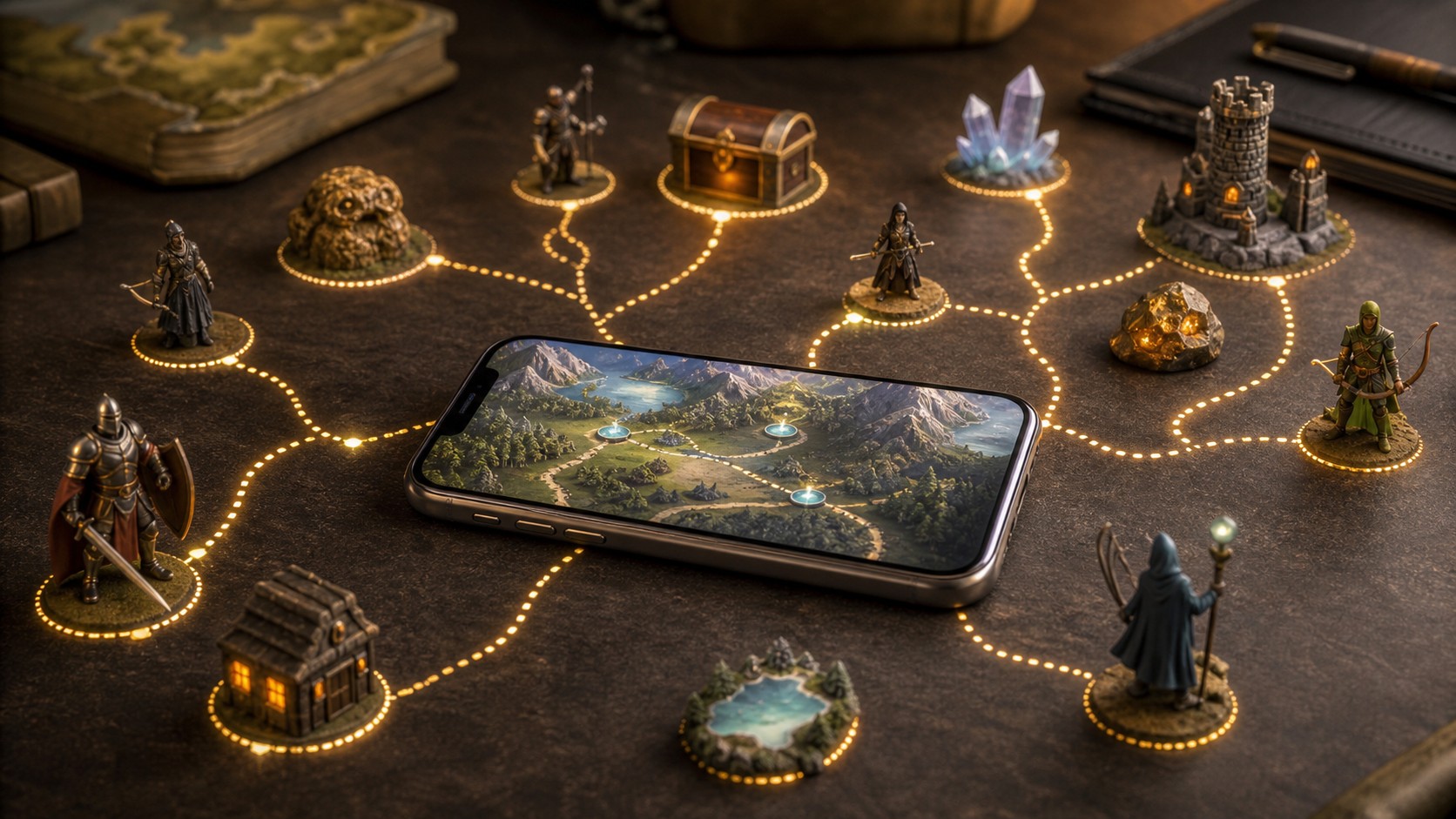
AI also beats humans at large-scale personalization. A developer may design one difficulty curve for millions of players, but AI can help shape different experiences for different people. A casual player might receive easier missions and more forgiving pacing, while a highly skilled player may see sharper enemies, tighter timers, or more complex objectives. The game becomes less like one fixed road and more like a network of personalized routes.
Procedural Worlds and Endless Content
One of AI’s most exciting advantages is procedural content generation. Instead of relying only on handcrafted levels, mobile games can use intelligent systems to generate maps, puzzles, missions, enemy layouts, loot drops, or event variations. This does not mean every generated level is brilliant, but it does mean games can expand faster and stay fresher for longer.
For mobile developers, this matters because players consume content quickly. A puzzle game can run out of handcrafted stages. A strategy game can become predictable. A runner, battler, or survival game can lose its surprise. AI-assisted generation gives developers a way to keep producing variety without building every detail manually. The smartest games of the future may feel endless not because developers made infinite content, but because they designed systems that can keep creating.
The Rise of Player Prediction
The most fascinating part of AI mobile gaming is prediction. A smart game can learn when a player is likely to quit, when they might need encouragement, when they are ready for a harder challenge, or when a reward will feel most satisfying. This creates a game that appears to understand the player, even though it is really reading behavior patterns.
This prediction can be used beautifully or badly. When used well, it makes games more comfortable, exciting, and personalized. When used carelessly, it can feel manipulative, pushing players toward ads, purchases, or endless engagement loops. That is where human judgment becomes essential. AI may know what works, but human developers must decide what is fair.
Are AI Characters Smarter Than Human-Written Characters?
AI-powered characters can react more dynamically than traditional scripted characters. Instead of repeating the same lines or following rigid behavior trees, they can respond to player choices, adjust their tactics, or create the illusion of conversation. This can make mobile RPGs, story games, simulations, and strategy games feel more alive.
But smarter behavior does not always mean better character design. A memorable character needs personality, contrast, rhythm, flaws, and emotional purpose. Human writers know how to create a villain players love to hate, a sidekick who becomes iconic, or a simple mascot who represents the whole game. AI can generate dialogue, but it still struggles with long-term emotional payoff. A character that says many things is not automatically a character worth remembering.
Why AI Still Needs Human Taste
Taste is the secret weapon of human developers. AI can generate options, but it does not naturally know which option is beautiful, funny, tasteful, elegant, or emotionally right. It can produce a hundred enemy designs, but a human artist chooses the one that fits the game’s soul. It can suggest ten reward systems, but a human designer decides which one respects the player.
Mobile games succeed when their parts feel unified. The music, color palette, animation, challenge curve, economy, characters, and user experience all need to belong to the same world. AI can help build the pieces, but human developers still act as directors. Without human taste, a game may become technically impressive but creatively empty.
The Danger of AI Slop in Mobile Gaming
There is a darker side to AI-powered game creation. Because AI can generate assets, mechanics, descriptions, ads, and clones quickly, the mobile market can become flooded with low-effort games. These games may copy popular ideas, imitate visual styles, or use automated systems to chase trends without adding originality. They may look polished in screenshots but feel hollow after a few minutes of play. This is one reason human developers are still essential. Originality matters. Players eventually recognize when a game has no personality. A successful mobile game needs more than fast production. It needs a reason to exist. AI can accelerate development, but if it is used only to imitate what already works, it may make the market louder instead of better.
Smarter Monetization, Bigger Responsibility
AI can also make mobile game monetization more intelligent. It can identify which offers players ignore, which reward timers work best, which bundles seem attractive, and which moments are most likely to trigger a purchase. From a business perspective, this is incredibly valuable. From a player perspective, it raises serious questions.
Human developers and publishers have to draw ethical lines. A game that adapts difficulty to keep players engaged can be fun. A game that adapts pressure to make players spend money can feel exploitative. AI does not automatically understand responsibility. Developers must build rules around it, especially in games played by younger audiences or casual players who may not realize how much the system is adapting to them.
Can AI Design a Better Game Loop?
A game loop is the heartbeat of a mobile game. It is the repeated cycle of action, reward, upgrade, challenge, and return. AI can test game loops rapidly and discover which versions keep players engaged longer. It can compare reward timing, mission length, enemy balance, and progression speed with incredible precision.
However, the “best” loop is not always the one that maximizes playtime. A great game loop should feel satisfying, not exhausting. It should invite players back, not trap them. Human developers understand that a game can be successful because it respects time, creates joy, and leaves players wanting more. AI can optimize the loop, but humans must decide what kind of experience the loop should create.
Human Creativity Is Not Just Problem Solving
AI is excellent at solving certain problems. It can generate ideas, balance numbers, analyze data, and automate repetitive tasks. But game development is not only problem solving. It is also taste-making, world-building, emotional engineering, and cultural storytelling. A human developer may create something unusual precisely because it does not match the data.
Some of the most beloved games succeed because they are weird, risky, personal, or unexpected. Data may not predict them. AI may not recommend them. Human developers are capable of ignoring the obvious answer and chasing a strange idea until it becomes something players love. That kind of creative rebellion is difficult for AI because AI is usually trained to recognize patterns, not break them with purpose.
The Best Future Is Human Plus AI
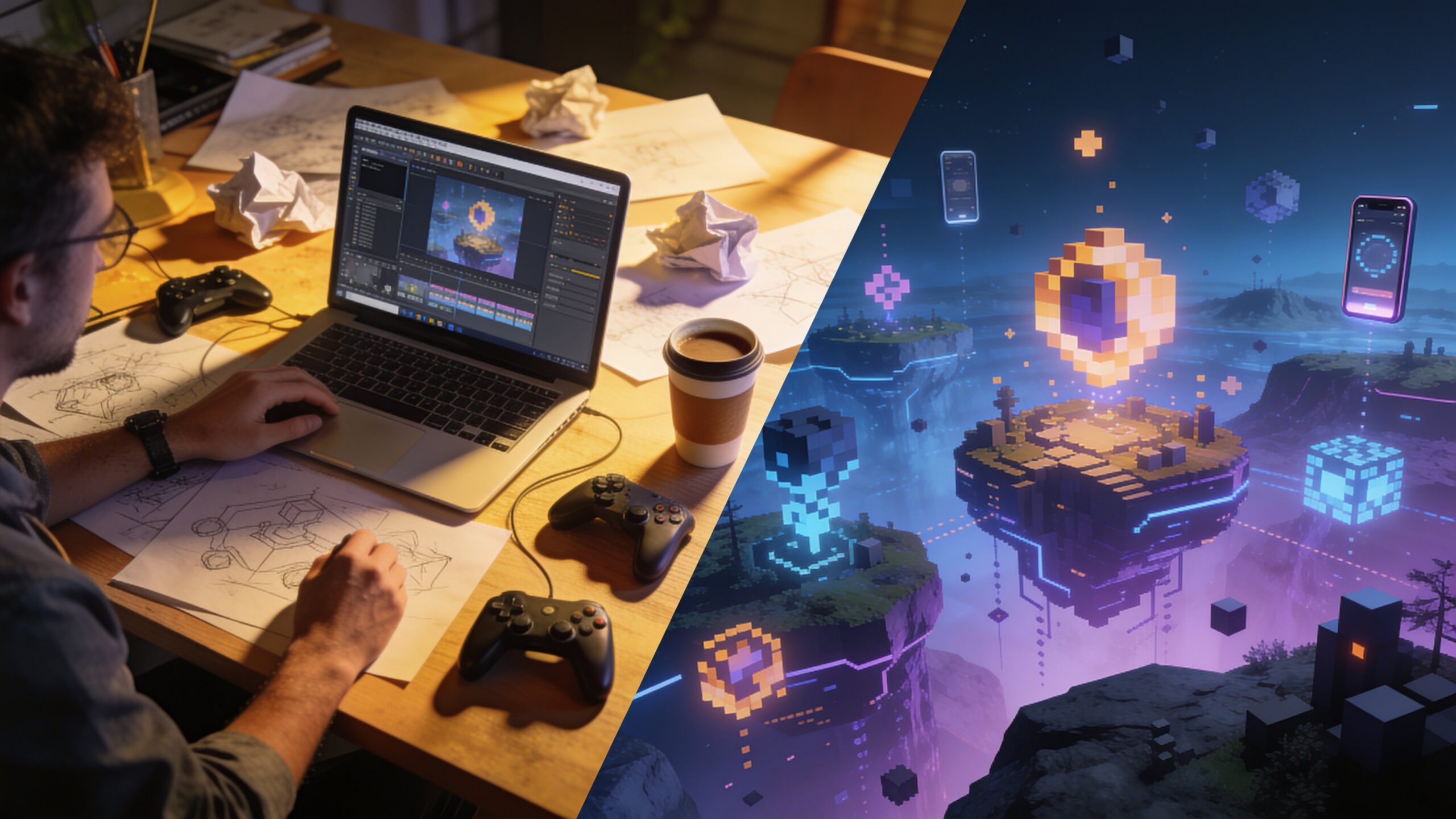
The smartest mobile games will likely come from teams that combine AI speed with human vision. AI can help generate prototypes, balance levels, study player behavior, create variations, and support live operations. Human developers can shape the identity, ethics, story, art direction, humor, pacing, and emotional meaning.
This partnership could make mobile games more ambitious. Small teams may build bigger worlds. Indie creators may test ideas faster. Live-service games may deliver fresher events. Educational games may adapt to each learner. Puzzle games may create endless challenges. Story games may become more responsive. The winner will not be AI alone or humans alone. The winner will be the developer who knows when to let AI work and when to take the wheel back.
So, Are AI Mobile Games Smarter Than Human Developers?
AI mobile games are smarter than human developers in specific ways. They are better at processing data, spotting patterns, personalizing content, predicting behavior, and testing changes at scale. They can react faster than humans and manage complexity that would overwhelm a traditional team. But human developers are still smarter in the ways that matter most creatively. They understand meaning, emotion, restraint, originality, ethics, and taste. AI can make a mobile game more adaptive, but humans make it worth playing. AI can optimize a game’s systems, but humans define its soul. The smartest future of mobile gaming is not a world where AI replaces developers. It is a world where developers become more powerful because AI handles the machinery while humans protect the magic.