How Mobile Games Became Smarter in the Moment
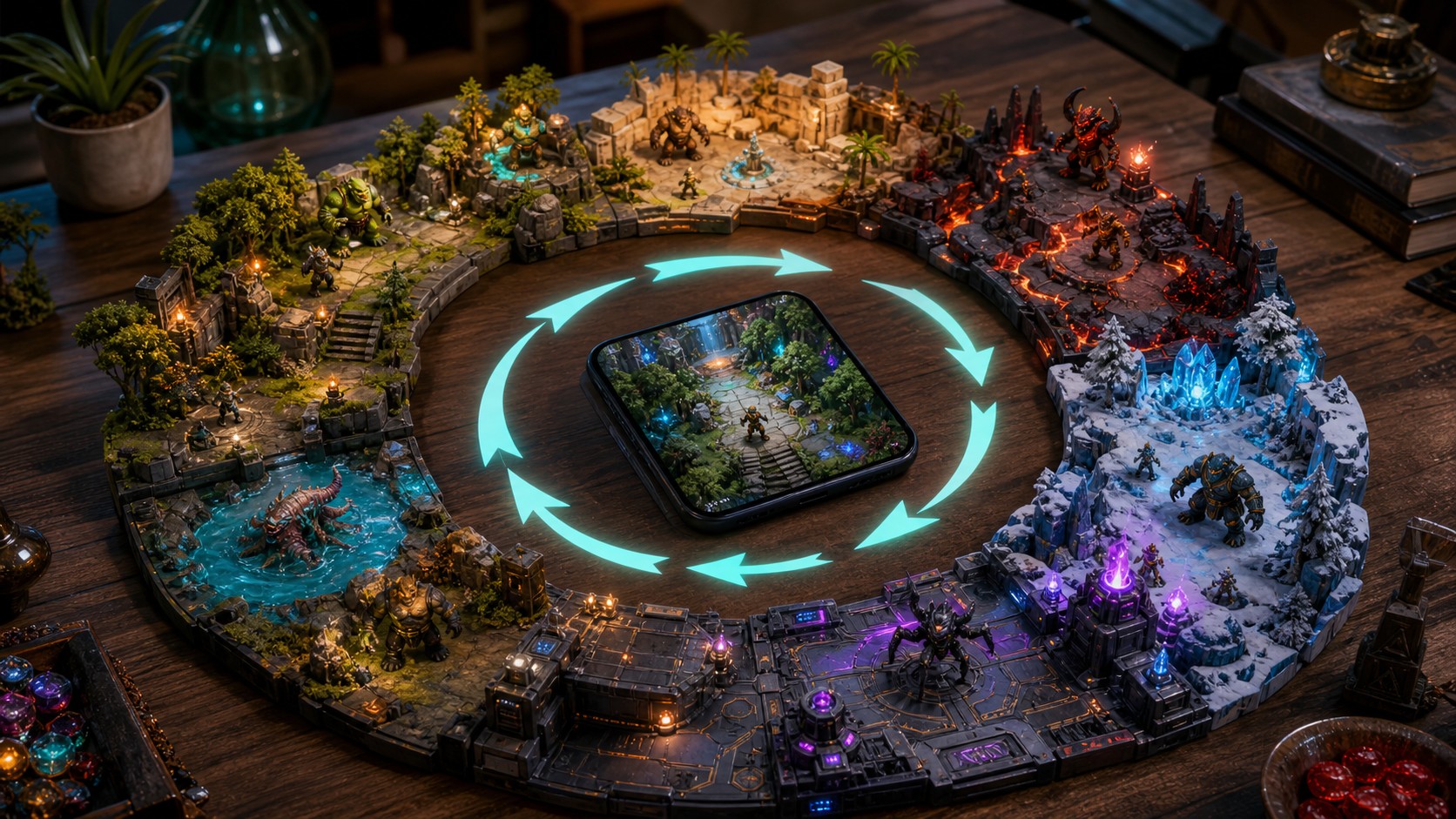
Mobile games used to feel predictable. Enemies followed obvious paths, difficulty spikes arrived at fixed levels, and rewards often appeared on a schedule that felt more mechanical than personal. Today, many mobile games feel more responsive because artificial intelligence can help make decisions in real time. Instead of waiting for a player to finish a long session before adjusting the experience, the game can react while the player is tapping, swiping, aiming, exploring, building, or battling. Real-time AI decisions in mobile games are the split-second choices a game system makes based on what is happening right now. These decisions can influence enemy behavior, matchmaking, level pacing, tutorial tips, reward timing, difficulty balancing, character movement, in-game events, and even the way a player is guided toward the next objective. The goal is not always to make the game harder. In many cases, the goal is to make the game feel smoother, fairer, more exciting, and more personally tuned to the player’s style.
A: They are instant game responses based on live player behavior, performance, and current gameplay conditions.
A: Sometimes, but it can also make games easier, smoother, fairer, or better paced.
A: No. Some use machine learning, while others use rules, scoring systems, or decision trees.
A: Yes. It can adjust enemy timing, aggression, movement, defense, or attack patterns.
A: It can compare skill, recent results, team balance, connection quality, and wait time to build better matches.
A: The game may detect repeated failure, slow progress, or hesitation and respond with targeted guidance.
A: Yes. It may influence reward timing, suggested missions, upgrade paths, or event recommendations.
A: Sometimes. Some decisions happen on-device, while heavier analysis may happen on game servers.
A: It can if it overcontrols difficulty, matchmaking, or rewards. Good design keeps it subtle and fair.
A: It improves the experience without making players feel manipulated or watched too closely.
What Real-Time AI Actually Means in Mobile Gaming
Real-time AI does not mean a mobile game suddenly becomes self-aware or starts inventing everything from scratch. In most cases, it means the game is using rules, models, probability, behavior tracking, and prediction systems to make fast decisions while the player is active. The AI looks at signals, compares them against patterns, and chooses the most useful response within a very short window of time. For example, if a player is losing several matches in a row, the game may adjust opponent difficulty, suggest a different upgrade, place the player in a better-matched lobby, or offer a training challenge. If a player is moving confidently through a puzzle, the game may reduce unnecessary hints. If a player is slowing down, missing inputs, or repeatedly failing in the same spot, the game may quietly soften the next encounter or present a clue at the right moment.
Why Real-Time Decisions Matter on Mobile
Mobile games live in a different environment than console or PC games. Players often play in short bursts, on smaller screens, with touch controls, while distracted, commuting, relaxing, or multitasking. Because sessions can be short and unpredictable, mobile games need to keep players engaged quickly. Real-time AI helps by reducing friction and making every moment feel more responsive.
A mobile player may only have three minutes to play. If the game wastes that time with unfair matchmaking, confusing menus, slow tutorials, or difficulty that feels random, the player may leave. Real-time AI can help the game understand what is happening and react before frustration becomes abandonment. It can keep the pace moving, make the challenge feel alive, and help the player feel like the game is paying attention.
The Signals AI Reads While You Play
Real-time AI decisions are powered by signals. These signals can include how quickly a player reacts, how often they win, where they fail, which items they use, how long they spend in menus, what characters they choose, how often they return, and whether they skip tutorials or read them carefully. The game may also monitor combat accuracy, movement habits, upgrade choices, purchase behavior, mission completion speed, and session length.
These signals do not matter on their own. What matters is how the system interprets them. A player who fails a level five times may be struggling, experimenting, or intentionally chasing a harder strategy. A player who stops upgrading may be confused, saving resources, or waiting for a specific item. Real-time AI tries to identify the most likely meaning behind player behavior so the game can respond in a way that feels helpful instead of intrusive.
Dynamic Difficulty: The Invisible Balancing Act
One of the most common uses of real-time AI in mobile games is dynamic difficulty adjustment. This is when the game changes the level of challenge based on player performance. The best version of this system feels invisible. The player does not see a message that says, “We made this easier.” Instead, the next enemy may react a little slower, the next puzzle may offer a clearer path, or the next wave may include fewer high-pressure threats.
Dynamic difficulty can also move in the opposite direction. If a player is dominating every round, the AI may increase enemy aggression, introduce smarter opponents, speed up hazards, or offer higher-risk objectives. This keeps skilled players from becoming bored. The secret is balance. If difficulty changes too obviously, players may feel manipulated. If it never changes, the game may feel flat or unfair. Real-time AI gives developers a way to tune the experience moment by moment.
Smarter Enemies and Better Opponents
Enemy AI is one of the most visible forms of real-time decision-making. In action games, racing games, strategy games, shooters, RPGs, and battle arenas, AI-controlled opponents can decide when to attack, retreat, dodge, flank, defend, heal, or change tactics. These choices can happen in fractions of a second, creating the feeling that enemies are thinking rather than simply following a script.
In mobile games, enemy AI must be especially efficient. Phones have limited battery, heat constraints, and performance limits compared with larger gaming systems. This means mobile AI often relies on clever lightweight systems rather than massive processing power. A good mobile enemy does not need to calculate every possible future. It only needs to make believable decisions quickly enough to keep the action exciting.
Real-Time Matchmaking Decisions
Matchmaking is another area where real-time AI can shape the player experience. In multiplayer mobile games, the system may evaluate skill level, recent performance, connection quality, player behavior, team composition, character selection, and wait time. The AI then tries to create a match that feels fair, fast, and competitive.
This is harder than it sounds. Players dislike waiting too long, but they also dislike being placed into impossible matches. Real-time matchmaking systems often make trade-offs. If a player has waited too long, the system may widen the acceptable skill range. If a player is on a losing streak, the system may try to avoid placing them against extremely strong opponents. The goal is not perfection. The goal is to create matches that feel worth playing.
Personalized Tutorials and Smart Guidance
Many players quit a mobile game because they do not understand what to do next. Real-time AI can help by adjusting tutorials and guidance based on behavior. If a player masters a mechanic quickly, the game can move on. If a player misses an important feature, the game can bring it back with a clearer explanation. If a player struggles with timing, aiming, crafting, or upgrading, the game can present a small lesson exactly when it matters.
This type of AI decision-making can make tutorials feel less like a lecture and more like a coach. Instead of forcing every player through the same steps, the game adapts to what each player actually needs. That makes onboarding faster for experienced players and less overwhelming for beginners.
Rewards That React to Player Behavior
Rewards are a powerful part of mobile game design, and real-time AI can influence when and how they appear. A game may track player effort, risk, progress, and recent engagement to determine which rewards feel most satisfying. This can include coins, cosmetics, power-ups, crafting materials, unlockable characters, daily bonuses, or limited-time event rewards.
The best reward systems do not simply shower players with prizes. They create a sense of momentum. Real-time AI can help identify when a player needs encouragement, when a challenge deserves a bigger payoff, or when a reward should support the player’s next likely goal. Used well, this makes progression feel exciting. Used poorly, it can feel pushy or manipulative, which is why thoughtful design matters.
AI Decisions Behind Game Economy Balance
Mobile game economies are complex. Coins, gems, energy systems, upgrades, timers, crafting materials, loot drops, and premium currencies all need to work together. Real-time AI can help monitor how players move through these systems and adjust pacing to prevent boredom, confusion, or inflation. For example, if too many players are running out of a key resource early, developers may use AI-driven insights to rebalance rewards or costs. Some systems can also make moment-to-moment decisions, such as recommending a useful upgrade, highlighting a mission with needed resources, or offering a reward path that matches the player’s current progress. The goal is to keep the economy understandable and motivating without making it feel like a spreadsheet.
Procedural Moments and Adaptive Content
Real-time AI can also help generate or arrange content while the player is active. This does not always mean creating brand-new worlds from nothing. It may mean selecting room layouts, enemy waves, treasure placements, puzzle variations, weather effects, mission objectives, or event triggers based on the player’s current state.
In a roguelike mobile game, AI may decide what type of enemy appears next based on the player’s build. In a puzzle game, it may choose the next challenge based on recent success patterns. In a racing game, it may adjust traffic density or rival behavior. These decisions make games feel less repetitive because the experience changes around the player.
Predicting What the Player Might Do Next
Prediction is one of the most important parts of real-time AI. A game may estimate whether a player is about to quit, win, lose, upgrade, purchase, switch modes, invite a friend, or abandon a mission. These predictions are not magic. They are based on behavior patterns, session timing, historical data, and live gameplay signals.
If the system predicts that a player may leave because they are stuck, it might offer a hint or easier side mission. If it predicts that a player is ready for a bigger challenge, it might surface a ranked mode or boss fight. If it predicts that a player likes collecting cosmetics, it may highlight customization rewards. Prediction helps the game respond before the player has fully made a decision.
Real-Time AI and Player Retention
Retention is one of the biggest reasons mobile studios invest in real-time AI. Retention means players come back after their first session, second session, first week, and beyond. A mobile game can have beautiful art and fun mechanics, but if it does not keep players returning, it struggles to survive. Real-time AI supports retention by making the experience feel alive. It can reduce early frustration, personalize goals, improve pacing, and highlight content that matches the player’s interests. A player who enjoys competition may see ranked challenges sooner. A player who enjoys collection may see limited cosmetic goals. A player who prefers casual play may receive lower-pressure missions. The game becomes less of a fixed path and more of an adaptive journey.
The Role of Machine Learning
Machine learning can be part of real-time AI, but not every real-time decision requires it. Some systems use simple rules, such as “if the player fails three times, show a hint.” Others use more advanced models that learn from large sets of player behavior. These models can detect patterns that are difficult for designers to manually predict.
Machine learning is especially useful when games have millions of players making different choices. It can help identify which players are likely to struggle, which features are confusing, which missions are too easy, and which rewards drive healthy engagement. Developers can then use those insights to build smarter real-time systems that react more naturally during play.
Edge AI and On-Device Decisions
Some real-time AI decisions happen on remote servers, while others happen directly on the player’s device. On-device AI can be useful because it can respond quickly without waiting for constant server communication. This matters in fast-paced games where delays can damage the experience.
However, mobile devices have limits. Developers must consider battery life, processing power, heat, storage, and network conditions. A real-time AI system that is too heavy can make a game lag or drain the battery. The best mobile AI is not always the most complex. It is the system that delivers smart decisions efficiently.
When Real-Time AI Feels Great
Real-time AI feels great when it supports the player without stealing control. A racing opponent that pushes hard near the finish line can make the race thrilling. A puzzle hint that appears only after genuine struggle can feel helpful. A boss that changes tactics based on the player’s strategy can feel memorable. A matchmaking system that creates close games can make every round feel meaningful. The player should feel challenged, not trapped. Helped, not handled. Surprised, not cheated. The strongest real-time AI decisions are often invisible because they simply make the game feel better. Players may not notice the system working, but they notice the result: smoother pacing, smarter opponents, fairer matches, and more satisfying progression.
When Real-Time AI Goes Wrong
Real-time AI can also create problems. If the system adjusts too aggressively, players may feel that wins and losses are artificial. If rewards are too personalized around spending behavior, the game can feel exploitative. If matchmaking seems designed to control emotions rather than create fair competition, players may lose trust.
Transparency, fairness, and restraint are important. Developers need to use AI to improve the player experience, not simply maximize engagement at any cost. A game that feels manipulative may succeed briefly but damage long-term loyalty. Smart AI should respect the player’s time, skill, and choices.
How Developers Design Real-Time Decisions
Developers usually start by identifying the moments that matter most. Where do players quit? Where do they get confused? Where does the difficulty spike? Which rewards feel weak? Which missions are ignored? Once those moments are understood, designers and engineers decide what signals the game should read and what actions the AI can take.
The process often involves testing, data analysis, player feedback, and careful tuning. Developers may create decision trees, behavior models, scoring systems, and prediction tools. They may also set limits so the AI does not overcorrect. Real-time decision systems need guardrails because a game should still feel designed, intentional, and fair.
The Future of Real-Time AI in Mobile Games
The future of mobile gaming will likely include more adaptive stories, smarter NPCs, better personalization, and more responsive worlds. AI may help characters remember player choices, generate missions that fit current play styles, or adjust cooperative challenges based on team behavior. Mobile games may feel less like static apps and more like living entertainment systems.
Still, the best games will not be built by AI alone. Human developers bring taste, emotion, story, style, ethics, and creative direction. AI can make decisions in real time, but designers decide what those decisions should mean. The future belongs to teams that use AI as a creative tool rather than a replacement for vision.
Why Real-Time AI Is Changing the Player Experience
Real-time AI decisions are changing mobile games because they make play feel more immediate. The game can notice struggle, respond to skill, improve pacing, balance competition, and personalize rewards without forcing every player into the same experience. It is one of the reasons modern mobile games can feel smoother, smarter, and more alive than earlier generations. At its best, real-time AI is not about controlling the player. It is about creating better moments. It helps the game listen, react, and adapt while the action is happening. For players, that means fewer dead ends and more exciting sessions. For developers, it means a powerful new way to design games that feel personal, responsive, and ready for whatever the player does next.