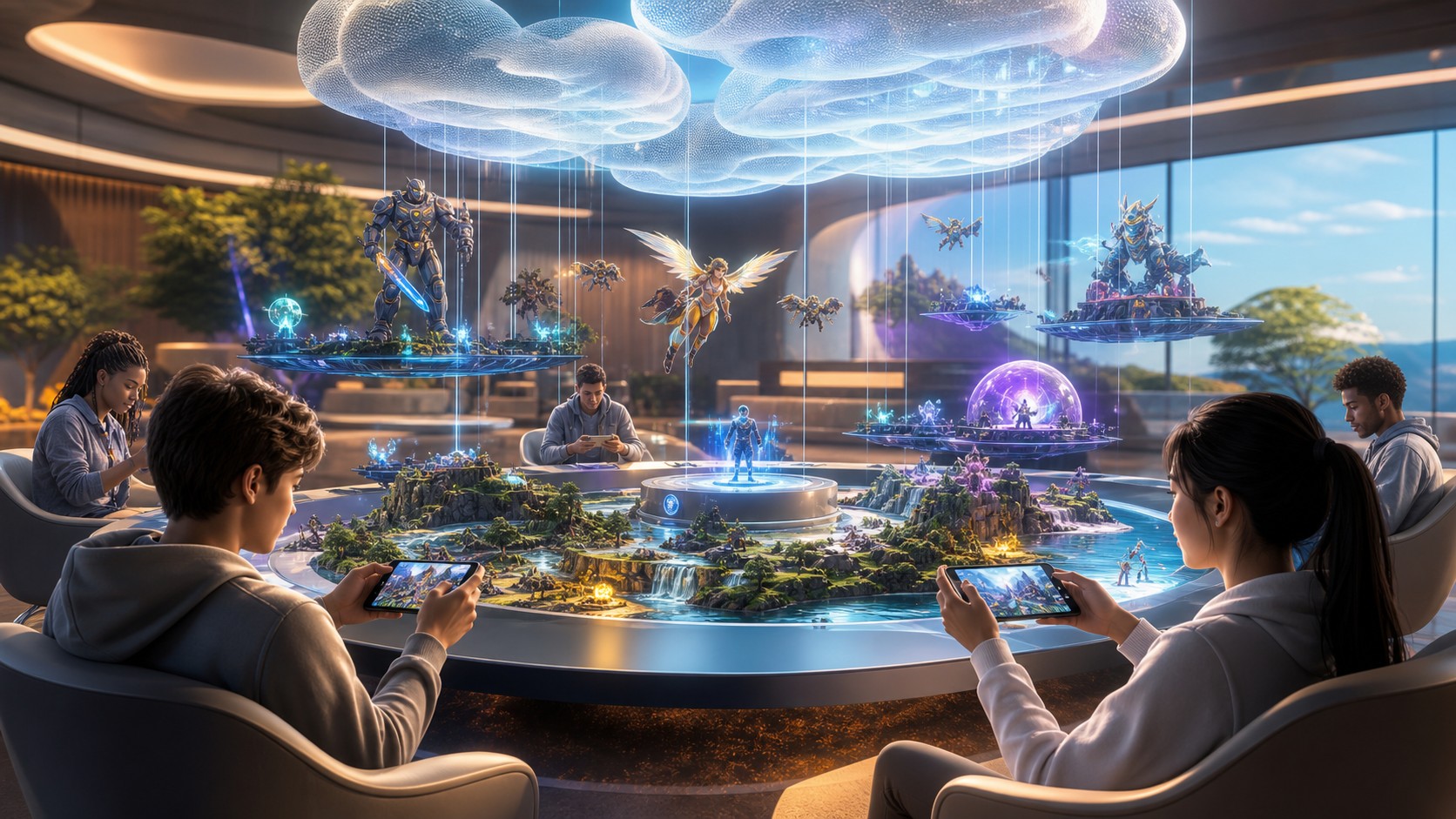
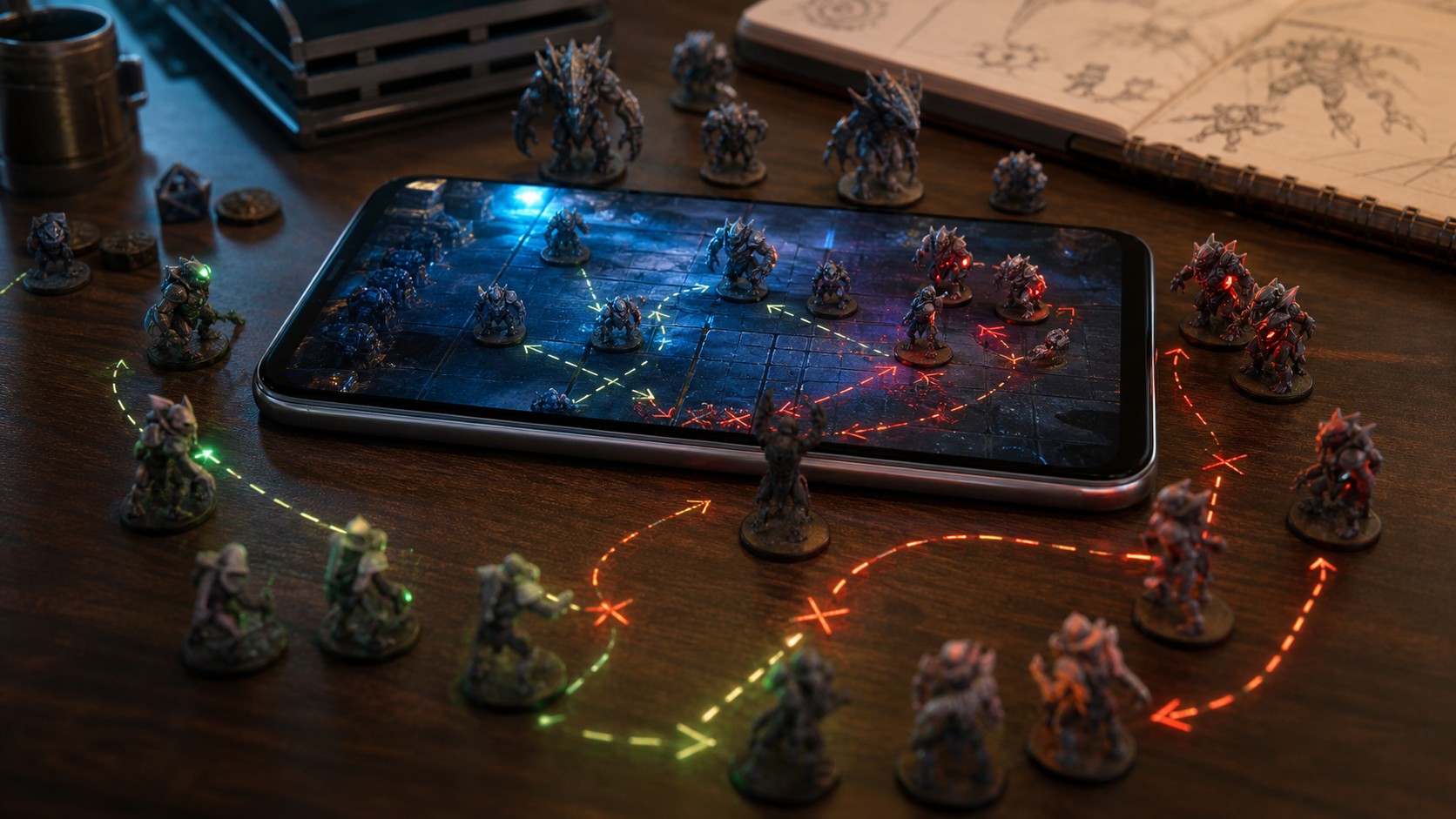
Mobile gaming has transformed from simple tap-and-play experiences into deeply immersive worlds powered by sophisticated systems. At the heart of this evolution lies a powerful debate: machine learning vs traditional game design in mobile gaming. One approach relies on handcrafted mechanics, carefully tuned difficulty curves, and designer intuition. The other leverages data, predictive models, and adaptive systems that evolve alongside the player. As smartphones become more capable and player expectations grow, understanding the balance between these two philosophies is essential for developers, studios, and gaming enthusiasts alike.
A: No, it enhances systems while designers shape vision.
A: It adjusts difficulty based on player behavior.
A: When balanced ethically, yes.
A: Cloud tools make it increasingly accessible.
A: It remains essential for storytelling and cohesion.
A: A system that modifies challenge in real time.
A: Often, due to targeted monetization strategies.
A: Yes, predictive analytics models can forecast drop-offs.
A: Responsible studios implement strict privacy safeguards.
A: Hybrid integration of design creativity and machine learning.
The Foundations of Traditional Game Design in Mobile Gaming
Traditional game design is rooted in deliberate craftsmanship. Designers map out mechanics, construct progression systems, script narratives, and fine-tune balance through testing and iteration. In early mobile titles, everything from enemy behavior to reward systems was meticulously pre-programmed. Difficulty levels were adjusted manually. User interfaces were refined through human-centered design principles. Monetization strategies such as in-app purchases and rewarded ads were integrated with a carefully designed progression arc. This approach places creative control firmly in the hands of designers. Every challenge, puzzle, or combat scenario is intentionally crafted. The result can feel cohesive and artistically unified. Many iconic mobile hits were built this way, relying on designer insight rather than real-time data modeling. Traditional game design emphasizes predictability and structure, creating a polished experience that reflects a clear creative vision.
The Rise of Machine Learning in Mobile Game Development
Machine learning introduces a different philosophy. Instead of scripting every possible scenario, developers build systems that learn from player behavior. Algorithms analyze player engagement, spending habits, play frequency, difficulty success rates, and churn risk. These insights can adjust gameplay dynamically. Enemies can become more challenging for skilled players and more forgiving for newcomers. Reward timing can adapt to maximize retention. Personalization becomes central to the experience.
In mobile gaming, where millions of players generate vast data sets daily, machine learning provides actionable intelligence. Predictive analytics identify when a player might abandon a game and trigger targeted incentives. Reinforcement learning models can tweak level pacing. AI-driven matchmaking systems optimize multiplayer balance. The result is a game that evolves based on patterns rather than fixed rules.
Creative Control vs Data-Driven Adaptation
The contrast between machine learning and traditional game design often centers on control versus automation. Traditional designers craft every scenario with intent. Machine learning systems respond to user behavior in real time. In a handcrafted level, the challenge is calibrated based on design theory and playtesting. In a machine learning-driven environment, that calibration might shift depending on a player’s skill metrics. This raises important creative questions. Does dynamic difficulty compromise artistic vision? Or does it enhance engagement by tailoring the experience? Traditionalists argue that designer intuition captures emotional pacing in ways algorithms cannot. Advocates of machine learning counter that real-time data enables deeper personalization and stronger player retention.
Player Experience and Personalization
One of the most compelling advantages of machine learning in mobile gaming is personalization. No two players interact with a game in exactly the same way. Some rush through levels. Others explore every feature. Machine learning models can segment players into behavioral clusters and adjust features accordingly. Daily rewards might vary. Tutorials can adapt to user proficiency. In-game events may be scheduled based on peak engagement times for individual users.
Traditional design offers consistency. Every player encounters the same challenges in the same order. This shared experience can foster community discussion and competitive fairness. However, personalization allows players to feel uniquely understood, potentially increasing session length and lifetime value. In competitive mobile games, adaptive matchmaking ensures players are neither overwhelmed nor bored, maintaining engagement across skill levels.
Monetization Strategies: Static Models vs Predictive Systems
Mobile gaming thrives on monetization strategies such as microtransactions, battle passes, and ad placements. Traditional game design integrates these features based on planned progression milestones. Offers appear at specific points. Difficulty spikes may encourage optional purchases.
Machine learning enhances monetization through predictive modeling. Algorithms estimate the likelihood that a player will make a purchase. Personalized bundles can be offered at optimal times. Ad frequency can adjust based on user tolerance. Retention campaigns can target players most at risk of churn. While this level of precision can significantly increase revenue, it also introduces ethical considerations. Designers must balance profitability with player trust. Overly aggressive personalization may feel manipulative. Responsible use of machine learning requires transparency and user respect.
Development Workflow and Team Dynamics
Traditional mobile game development follows structured pipelines. Game designers conceptualize mechanics, artists create assets, developers implement systems, and quality assurance teams test for balance and bugs. Iteration cycles depend on human feedback and structured playtesting.
Machine learning integration adds new roles to the development team. Data scientists, machine learning engineers, and analytics specialists collaborate with designers. Continuous data collection becomes integral. Instead of periodic updates, games can receive algorithm-driven refinements in near real time. This shift transforms development into an ongoing live-service model rather than a static release model. Studios must invest in infrastructure, cloud computing, and robust data pipelines. The cost of entry can be higher, but the long-term scalability and insight potential are substantial.
Game Balance: Scripted Precision vs Adaptive Systems
Balancing a mobile game traditionally involves extensive playtesting. Designers tweak enemy health values, power-up frequency, and reward pacing. This process can be time-consuming but ensures intentional balance. Machine learning introduces adaptive balancing. Algorithms track win-loss ratios, completion times, and engagement metrics. If a level proves too difficult for most players, the system can subtly adjust parameters. If an advanced player breezes through challenges, difficulty can scale upward. This dynamic balancing keeps engagement high but can blur the line between genuine achievement and algorithmic accommodation. Developers must decide whether players should feel consistently challenged by a fixed standard or dynamically guided by adaptive systems.
Retention and Engagement Metrics
Retention is critical in mobile gaming. Day-one, day-seven, and day-thirty retention metrics determine long-term success. Traditional design relies on compelling mechanics, satisfying progression, and regular content updates to retain players. Machine learning enhances retention strategies by predicting drop-off points. By analyzing player inactivity patterns, systems can trigger personalized notifications or exclusive rewards. Seasonal events can be tailored to user preferences. Behavioral targeting increases the likelihood that players return regularly. However, reliance on data-driven engagement can shift focus from creativity to metrics optimization. Successful studios blend both philosophies, ensuring that engagement strategies enhance rather than replace core gameplay enjoyment.
Ethical Considerations in AI-Driven Game Design
As machine learning becomes more prevalent, ethical design becomes essential. Algorithms can identify psychological triggers that encourage spending or extended play sessions. Without safeguards, these systems may exploit vulnerable users.
Traditional design also includes monetization incentives, but AI-driven personalization can amplify their impact. Developers must adopt responsible AI frameworks, implement spending limits where appropriate, and ensure that adaptive systems prioritize player well-being. Transparency builds trust. Players who understand how personalization works are more likely to feel respected rather than manipulated.
The Hybrid Model: Best of Both Worlds
Increasingly, successful mobile games adopt a hybrid model. Core mechanics remain handcrafted to preserve creative integrity. Machine learning enhances secondary systems such as matchmaking, event scheduling, and reward optimization. Designers define the artistic direction, while data refines performance and engagement. This balanced approach recognizes that algorithms are tools, not replacements for creativity. Machine learning excels at analyzing patterns at scale. Designers excel at storytelling, emotional pacing, and imaginative world-building. Together, they create mobile experiences that are both engaging and adaptive.
The Future of Mobile Gaming Innovation
Looking ahead, machine learning will likely deepen its influence in mobile gaming. Procedural content generation may produce endless level variations. Voice recognition and sentiment analysis could adjust narrative tones. Real-time behavioral analytics may shape evolving storylines.
Traditional design will continue to anchor creative vision. Even the most advanced algorithm requires a guiding concept. Human designers will remain essential in defining aesthetics, themes, and meaningful player journeys. The debate between machine learning vs traditional game design in mobile gaming is not a battle with a single winner. It is an evolving partnership. As technology advances, the most compelling mobile games will emerge from studios that respect both data and design, blending predictive intelligence with creative craftsmanship.
Conclusion: Designing the Next Generation of Mobile Experiences
Mobile gaming stands at a crossroads. Traditional game design offers artistry, consistency, and creative cohesion. Machine learning provides personalization, scalability, and predictive precision. Rather than replacing one another, these approaches form complementary forces shaping the future of interactive entertainment. Developers who master this balance can deliver experiences that feel handcrafted yet intelligently responsive. Players benefit from worlds that adapt without losing soul. As the mobile gaming industry continues to expand, the synergy between machine learning and traditional design will define the next generation of unforgettable games.