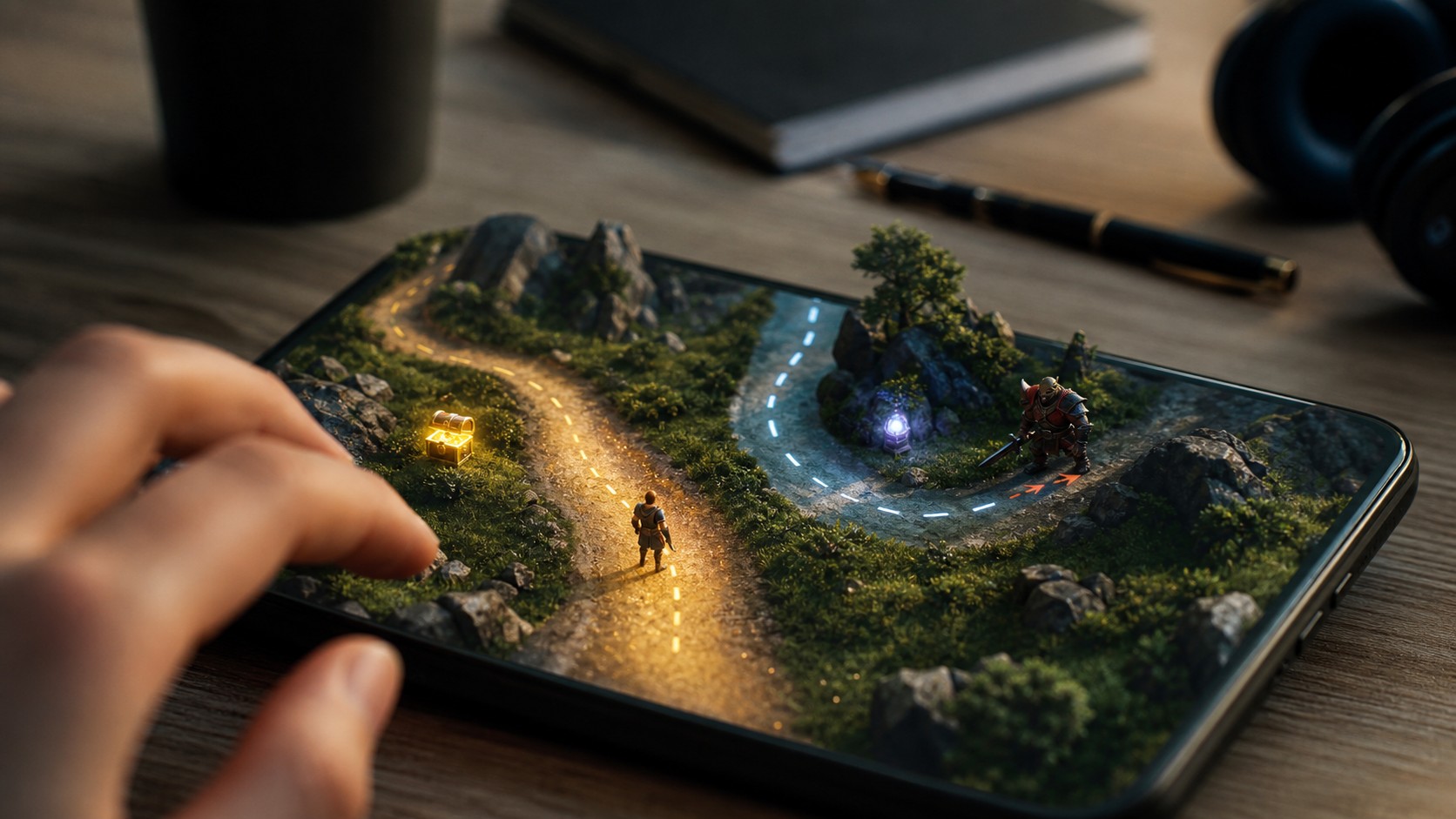
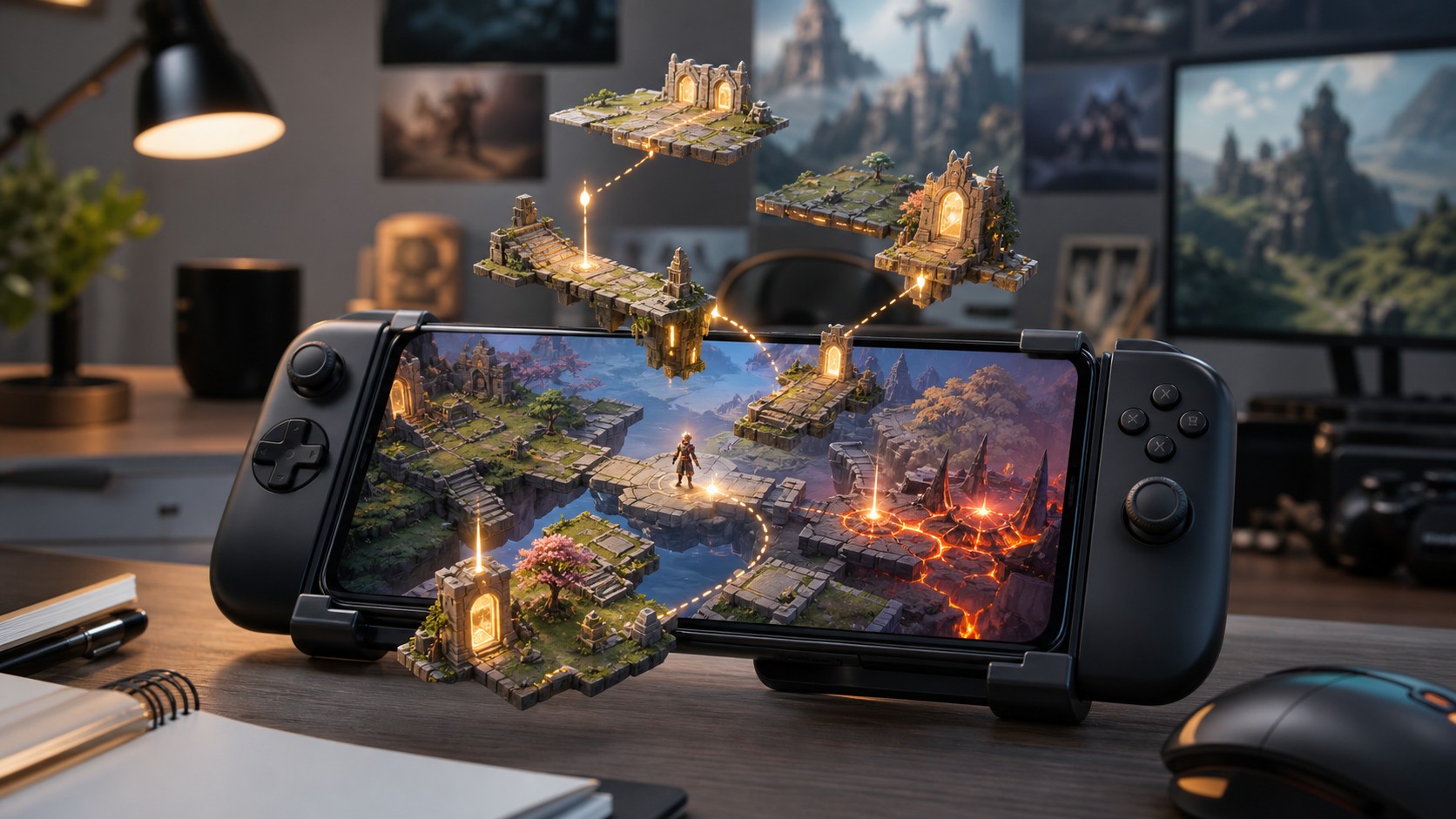
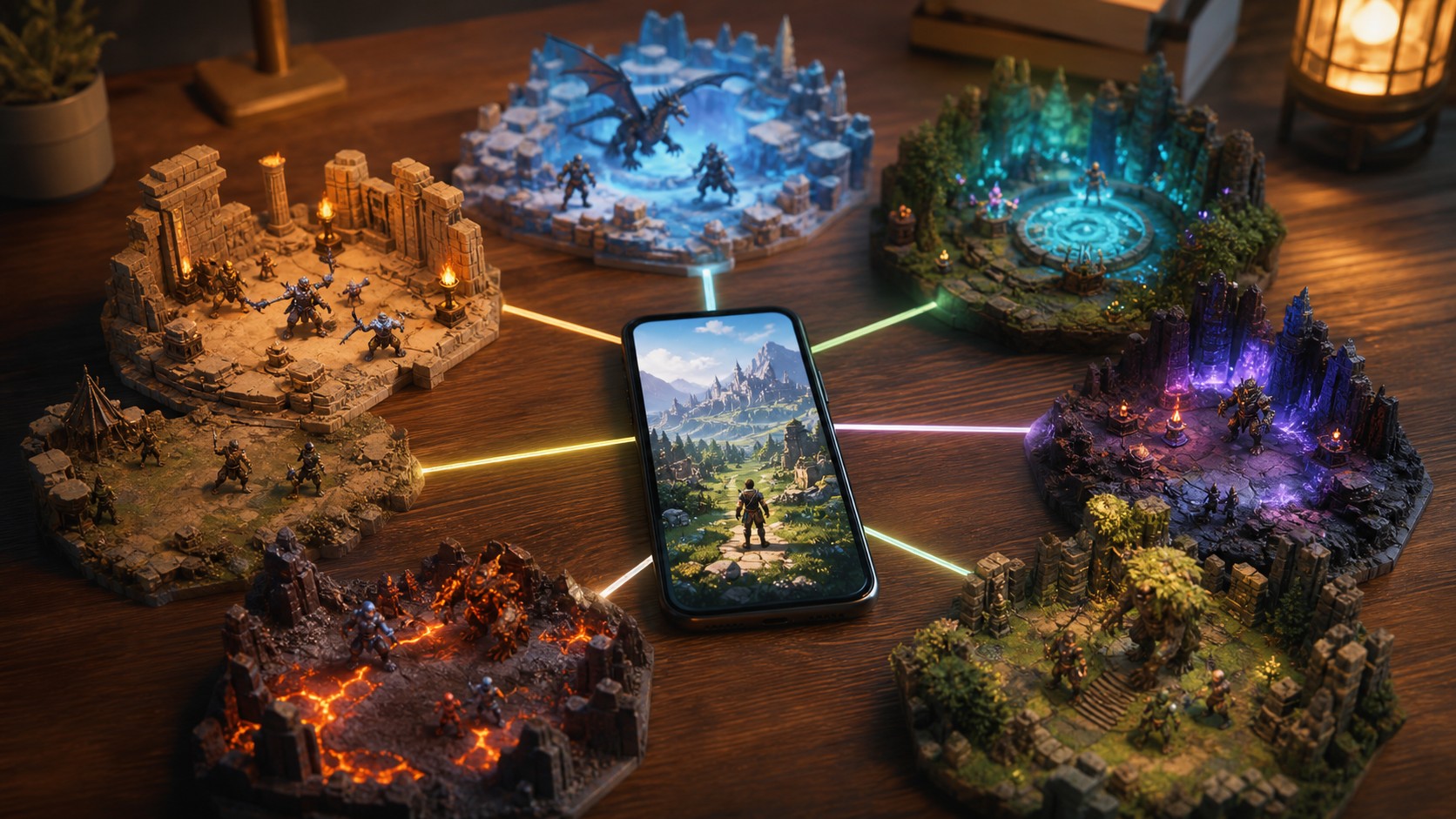
Mobile gaming has evolved from simple tap-and-play mechanics to vast, immersive universes carried in our pockets. Yet the next revolution is not just about better graphics or faster processors. It is about intelligence. AI-generated worlds are redefining how mobile games are imagined, built, and experienced. Instead of handcrafting every terrain, character, and quest, developers are now collaborating with artificial intelligence to create living, adaptive ecosystems that grow alongside players. Artificial intelligence in mobile game design goes far beyond procedural generation. It blends machine learning, neural networks, and real-time data analysis to build worlds that feel handcrafted but scale infinitely. This new frontier enables developers to design dynamic storylines, evolving environments, and hyper-personalized gameplay loops. For players, it means no two adventures are ever truly the same. For studios, it signals a powerful shift toward efficiency, scalability, and creative freedom. As smartphones become more powerful and cloud computing integrates seamlessly with mobile platforms, AI-generated content is no longer experimental. It is rapidly becoming the foundation of next-generation mobile game development.
A: No, developers guide and refine AI outputs.
A: Yes, dynamic content increases variation.
A: Personalization relies on anonymized behavioral patterns.
A: Yes, many tools are accessible and scalable.
A: AI supports creativity but human vision remains essential.
A: Many systems leverage cloud infrastructure for performance.
A: It assists in detecting and resolving issues.
A: Yes, reinforcement learning improves realism.
A: Costs vary but tools are becoming more accessible.
A: AI integration is rapidly shaping next-generation mobile design.
What Are AI-Generated Worlds?
AI-generated worlds are digital environments built partially or entirely by artificial intelligence systems. These systems analyze datasets—ranging from art assets and architectural references to player behavior patterns—and generate new content autonomously. Instead of manually designing every dungeon or landscape, developers can train models to produce entire regions, ecosystems, and civilizations. Unlike traditional procedural generation, which relies on predefined rules and randomization, AI-driven generation learns from examples. For example, a neural network trained on fantasy landscapes can create entirely new terrains that feel cohesive and visually rich. Generative models can craft unique characters with distinct personalities, build story arcs that respond to player choices, and simulate weather systems that evolve organically. The result is a mobile game world that feels alive. Villages expand. Non-playable characters adapt. Quests shift based on decisions. AI transforms static game maps into dynamic storytelling engines.
Procedural Roots and the Leap to Intelligence
Mobile gaming has used procedural generation for years. Classic roguelike titles and sandbox survival games relied on algorithms to randomize maps and loot. However, these systems followed rigid logic trees. They could shuffle pieces, but they could not invent new pieces.
Artificial intelligence changes the equation. Generative adversarial networks, transformer-based language models, and reinforcement learning systems can design assets that were never directly coded by developers. AI does not simply randomize a forest. It learns what makes forests believable—density, terrain variance, environmental storytelling—and builds entirely new ones that adhere to that learned logic. This leap from scripted randomness to machine-learned creativity is the core difference between older mobile design frameworks and AI-generated worlds.
Personalized Worlds for Every Player
One of the most exciting aspects of AI in mobile game design is personalization. Mobile devices constantly collect behavioral signals: how long players spend in certain areas, which weapons they prefer, what difficulty levels keep them engaged. AI systems can analyze these patterns in real time and adjust the world accordingly.
If a player thrives on exploration, the environment might expand with hidden paths and rare discoveries. If another player prefers combat, encounters may intensify and scale intelligently. Narrative branches can adapt to emotional tone and gameplay style. Instead of one storyline for millions of users, each player experiences a tailored adventure. This personalized approach significantly enhances retention and player satisfaction. It shifts mobile gaming from mass-produced entertainment to curated digital experiences.
AI-Driven Storytelling and Dynamic Narratives
Storytelling in mobile games has often been constrained by storage limits and production timelines. Writing multiple branching narratives can be resource-intensive. AI-generated worlds dramatically reduce those constraints. Language models trained on storytelling structures can generate quests, dialogue, and lore on demand. These systems can maintain continuity, track character relationships, and produce reactive dialogue that responds to player decisions. The world does not simply wait for input; it evolves with it. Dynamic storytelling increases replay value. Players can return to the same mobile game and encounter entirely new narrative arcs. Events can change weekly or even daily based on community-wide data. AI transforms mobile storytelling into an ever-expanding universe.
Smarter NPCs and Living Ecosystems
Non-playable characters have historically followed scripted behaviors. They patrol predictable paths, repeat limited dialogue, and react only when triggered. AI changes this dynamic entirely.
Reinforcement learning systems allow NPCs to learn from player interactions. They can develop strategies, remember previous encounters, and adjust tactics accordingly. In large AI-generated worlds, ecosystems can simulate realistic predator-prey relationships, migration patterns, and environmental shifts. These intelligent systems increase immersion. Villagers react to disasters. Traders adjust prices based on supply and demand. Enemy factions reorganize after defeat. The mobile game world becomes less of a stage and more of a society.
Cost Efficiency and Indie Innovation
Developing large-scale mobile games traditionally required massive teams of artists, writers, and designers. AI-generated assets reduce these overhead costs significantly. Procedural art tools can generate textures, landscapes, and characters in seconds. Narrative engines can draft storylines that designers refine rather than build from scratch.
For indie developers, this is transformative. Small studios can now produce expansive experiences that rival larger competitors. AI tools democratize mobile game design, lowering barriers to entry and encouraging experimentation. This shift could spark a renaissance in mobile creativity, where bold concepts and niche genres flourish without the burden of massive production budgets.
Cloud Computing and Real-Time Generation
Mobile hardware continues to improve, but AI-generated worlds often rely on cloud infrastructure. By offloading heavy computational tasks to remote servers, mobile games can stream dynamically generated content in real time.
Cloud-powered AI allows worlds to expand beyond device storage limits. New regions can be created instantly. Seasonal updates can reshape entire maps without requiring massive downloads. AI-driven live services can evolve gameplay continuously, responding to global player trends. The integration of edge computing and 5G connectivity further accelerates this process, ensuring low latency and seamless experiences for players worldwide.
Ethical Considerations and Creative Control
While AI-generated worlds unlock incredible potential, they also introduce ethical and creative challenges. Developers must ensure AI-generated content remains appropriate, balanced, and aligned with the game’s core vision. Over-reliance on automated systems may risk homogenization if models are trained on similar datasets.
Transparency in data usage is also critical. Player data fuels personalization systems, and privacy protections must remain a top priority. Developers should design AI frameworks that empower creativity without compromising user trust. Human oversight remains essential. AI can assist, but it should not replace artistic direction. The most successful mobile games will blend human imagination with machine intelligence.
Monetization and Live Economy Evolution
AI-generated worlds can reshape monetization strategies in mobile gaming. Personalized content opens opportunities for tailored cosmetic items, adaptive challenges, and limited-time events designed around player behavior. Virtual economies can respond dynamically to demand, balancing in-game markets in real time.
However, responsible design is crucial. AI systems must avoid manipulative mechanics or exploitative engagement loops. Ethical monetization strategies will define the sustainability of AI-powered mobile ecosystems. When implemented thoughtfully, AI-driven economies can create balanced, engaging experiences that benefit both developers and players.
The Role of Generative Art and Audio
AI-generated visuals extend beyond terrain. Character models, armor designs, architectural styles, and environmental effects can all be generated dynamically. Generative art systems ensure visual cohesion while maintaining diversity. Audio generation is equally transformative. AI can compose adaptive background music that shifts based on gameplay intensity. Environmental sounds can evolve with weather systems or narrative beats. Voice synthesis allows for diverse character dialogue without extensive recording sessions. These advancements create multi-sensory worlds that feel handcrafted yet infinitely scalable.
Cross-Platform Ecosystems and Interconnected Worlds
AI-generated mobile worlds are not confined to one device. With cloud integration, players can transition seamlessly between smartphones, tablets, and even console environments. Shared AI engines can maintain world continuity across platforms. This interconnected design encourages persistent universes that evolve collectively. Global events can shape shared landscapes, while personal choices influence localized experiences. The result is a hybrid model of communal and individual storytelling.
The Future of Player-Created Content
Artificial intelligence also empowers players to become co-creators. In-game tools can allow users to describe environments, design characters, or propose quests that AI systems refine and integrate into the broader world.
User-generated AI content fosters community engagement and long-term retention. It transforms players from consumers into collaborators. As generative tools become more intuitive, the line between developer and player may blur entirely.
Challenges Ahead
Despite its promise, AI-generated world design faces technical hurdles. Ensuring stability, preventing repetition, and maintaining performance on mobile networks require sophisticated engineering. AI systems must balance creativity with optimization.
There is also the challenge of maintaining narrative coherence. Infinite generation risks dilution if not carefully curated. Developers must design guardrails that preserve thematic integrity. Additionally, regulatory frameworks around AI and digital content are evolving. Studios must remain adaptable and informed to navigate future compliance landscapes.
A New Era of Mobile Game Design
AI-generated worlds represent the next major leap in mobile game design. By blending machine intelligence with human creativity, developers can craft immersive, personalized, and endlessly evolving experiences. The mobile device is no longer just a gaming platform. It is becoming a gateway to living digital ecosystems shaped by artificial intelligence. As AI technology continues to mature, mobile games will shift from static products to adaptive universes. For developers, this means unprecedented creative flexibility. For players, it means infinite adventure. AI-generated worlds are not a distant concept—they are the blueprint for the future of mobile gaming.