AI Game Masters: Virtual Dungeon Masters in VR and AR
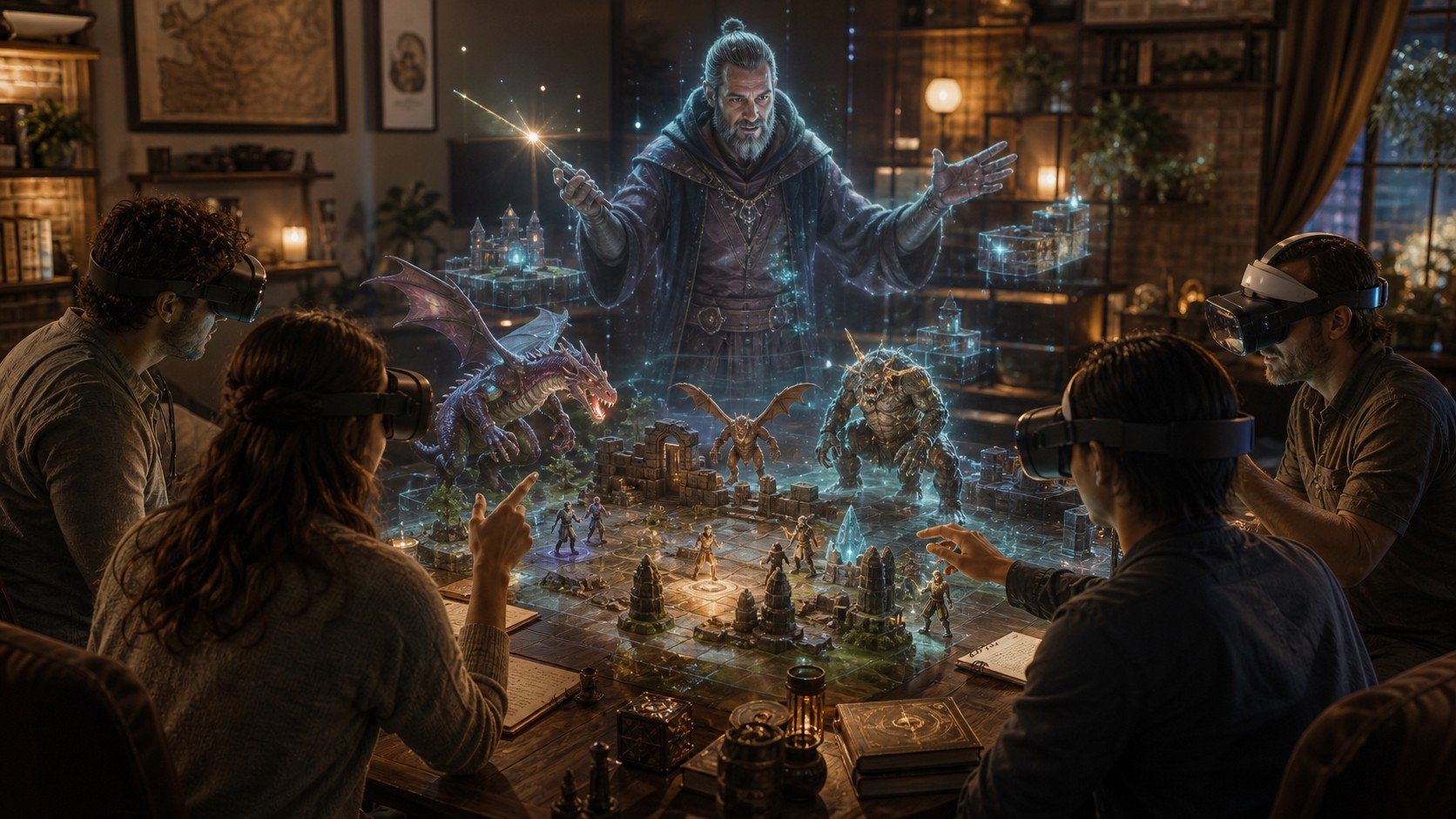
AI game masters in VR and AR can guide adventures, adapt encounters, manage pacing, and turn rooms into responsive tabletop worlds.

Where Smart Gaming Levels Up
AI game masters in VR and AR can guide adventures, adapt encounters, manage pacing, and turn rooms into responsive tabletop worlds.
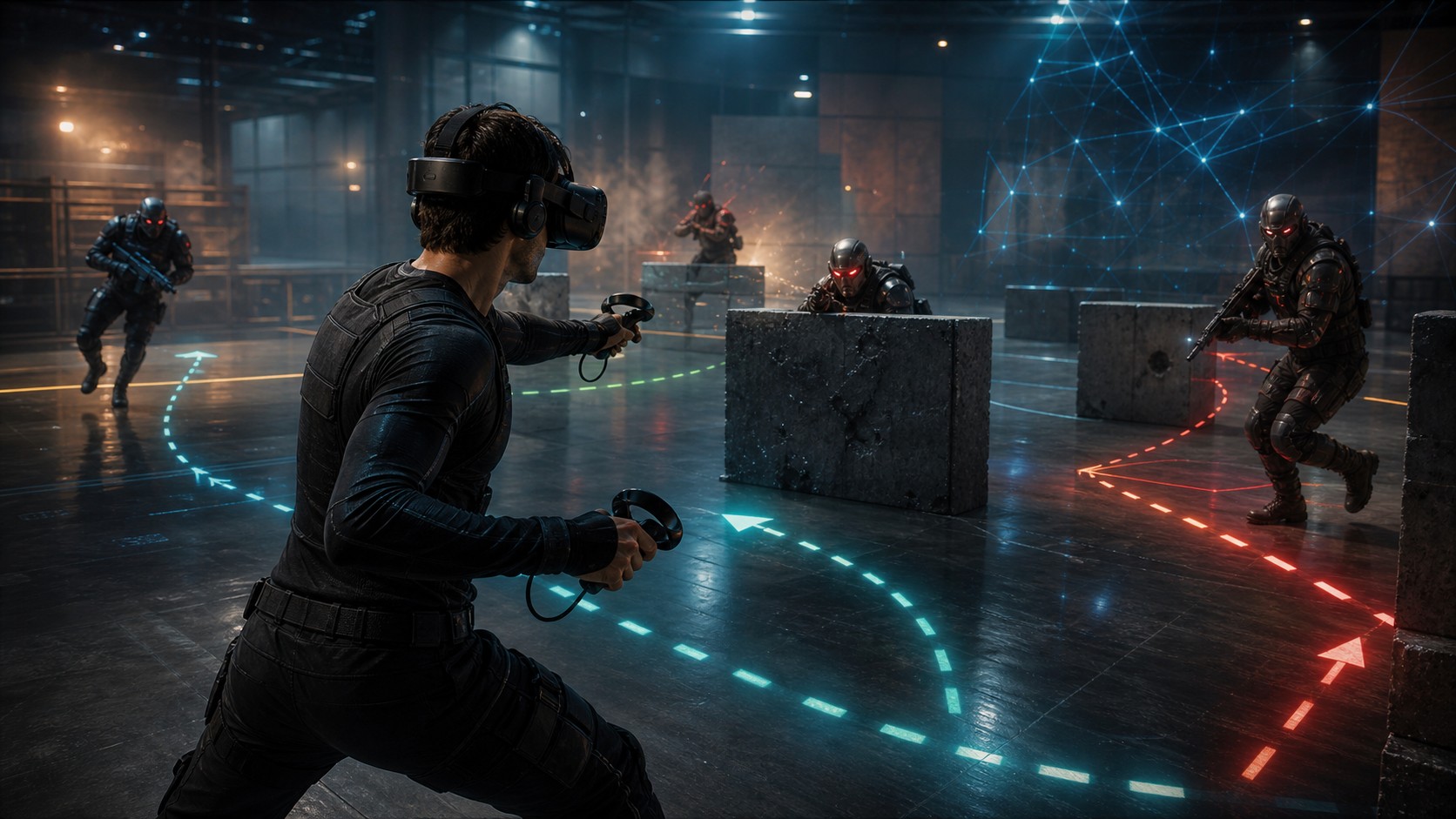
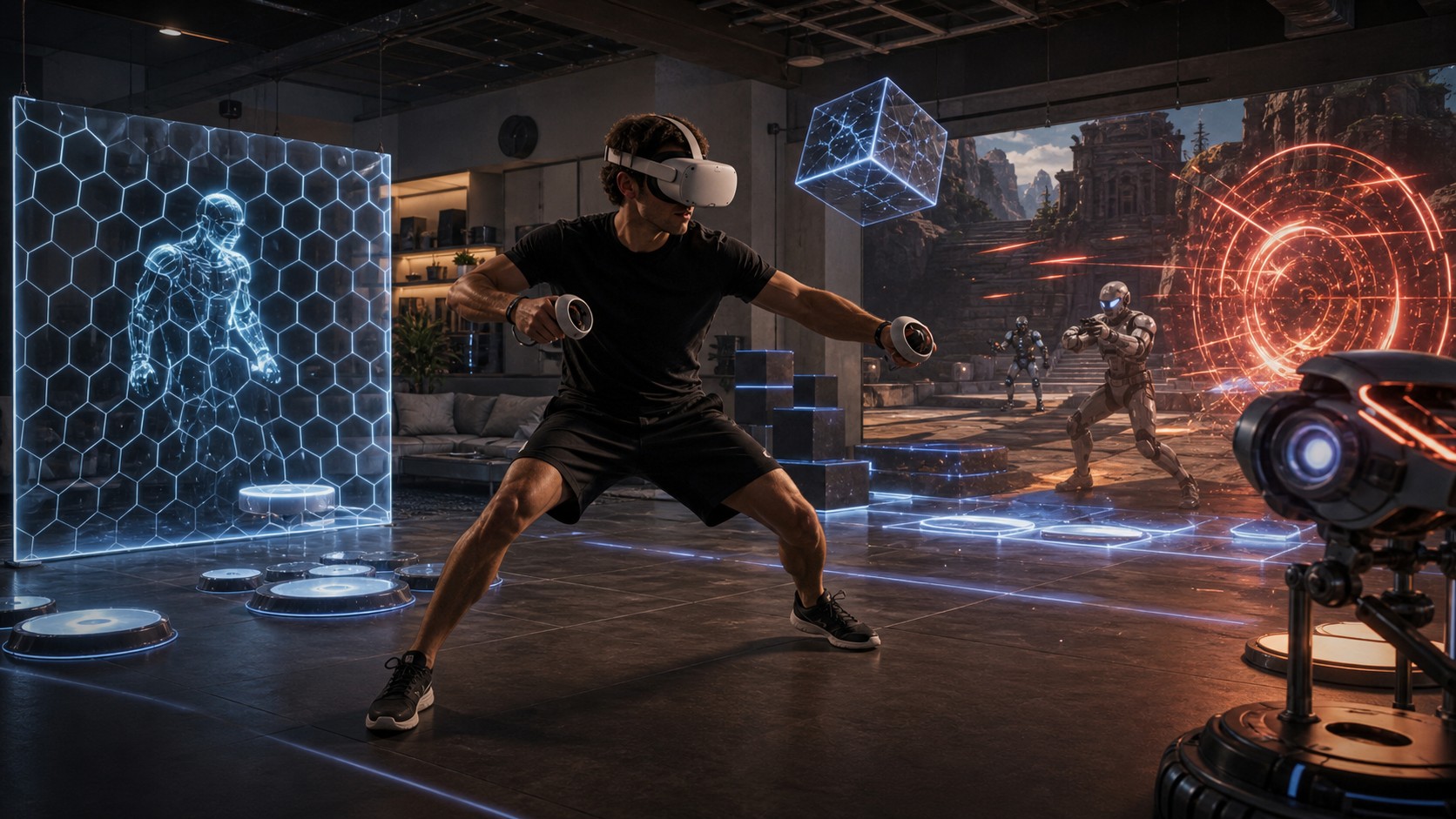
Machine learning can make VR game enemies smarter by helping them read body movement, spacing, cover use, fatigue, and tactics.
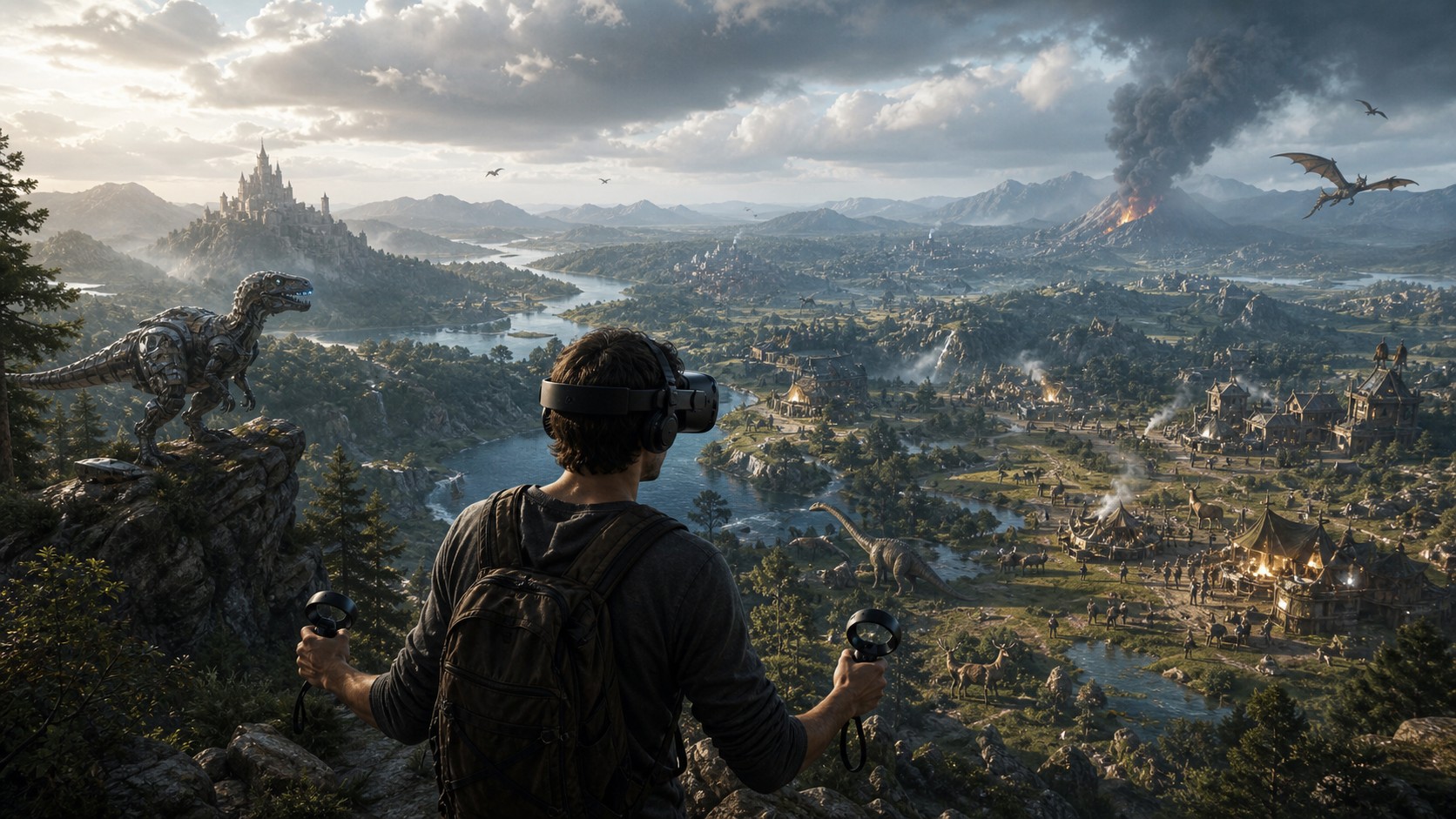
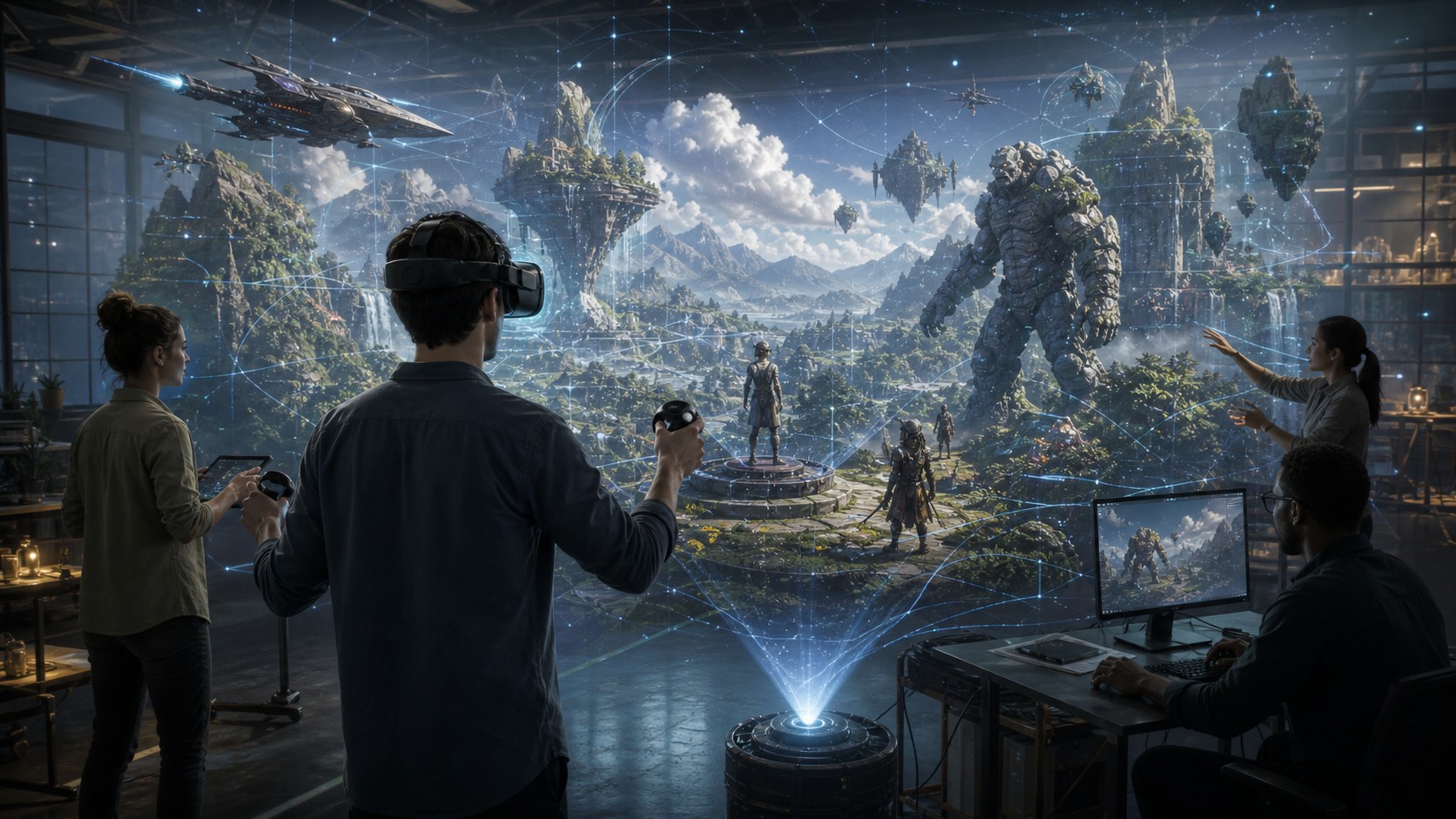
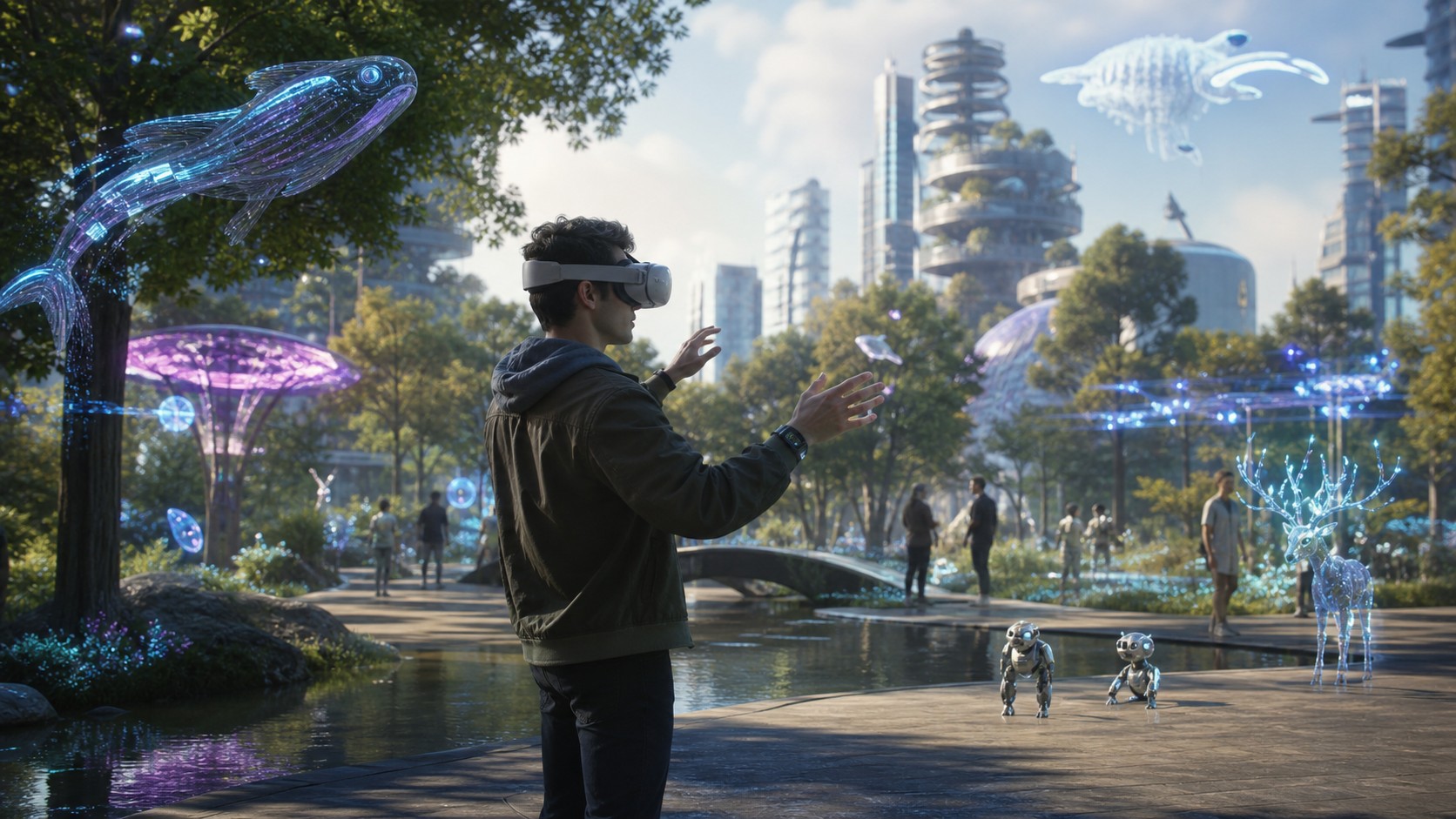
AI-driven open worlds could be the next leap in VR gaming by making immersive spaces persistent, reactive, spatial, and alive.
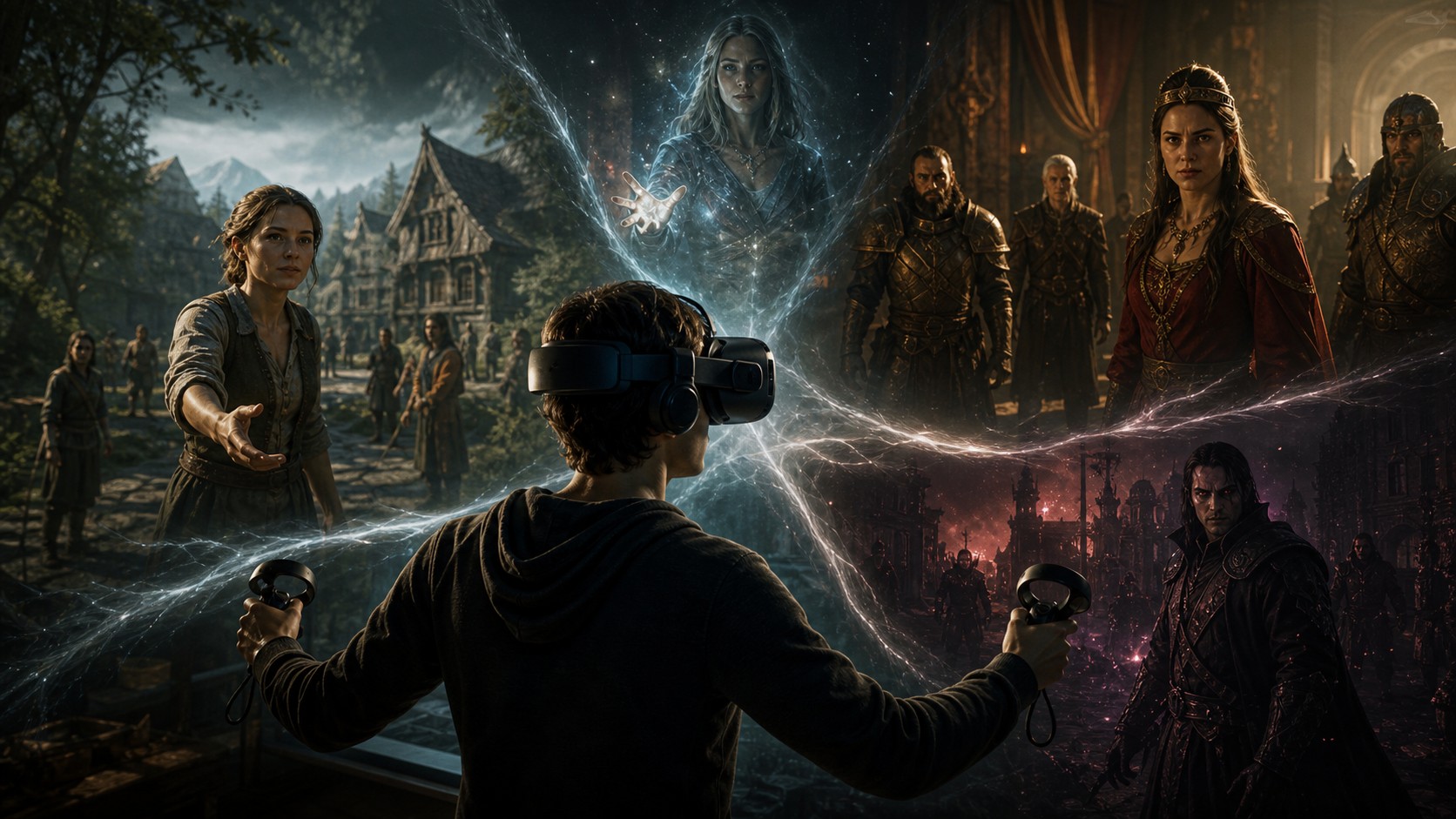
VR games can change storylines with AI by reading choices, movement, gaze, timing, and character relationships inside immersive scenes.
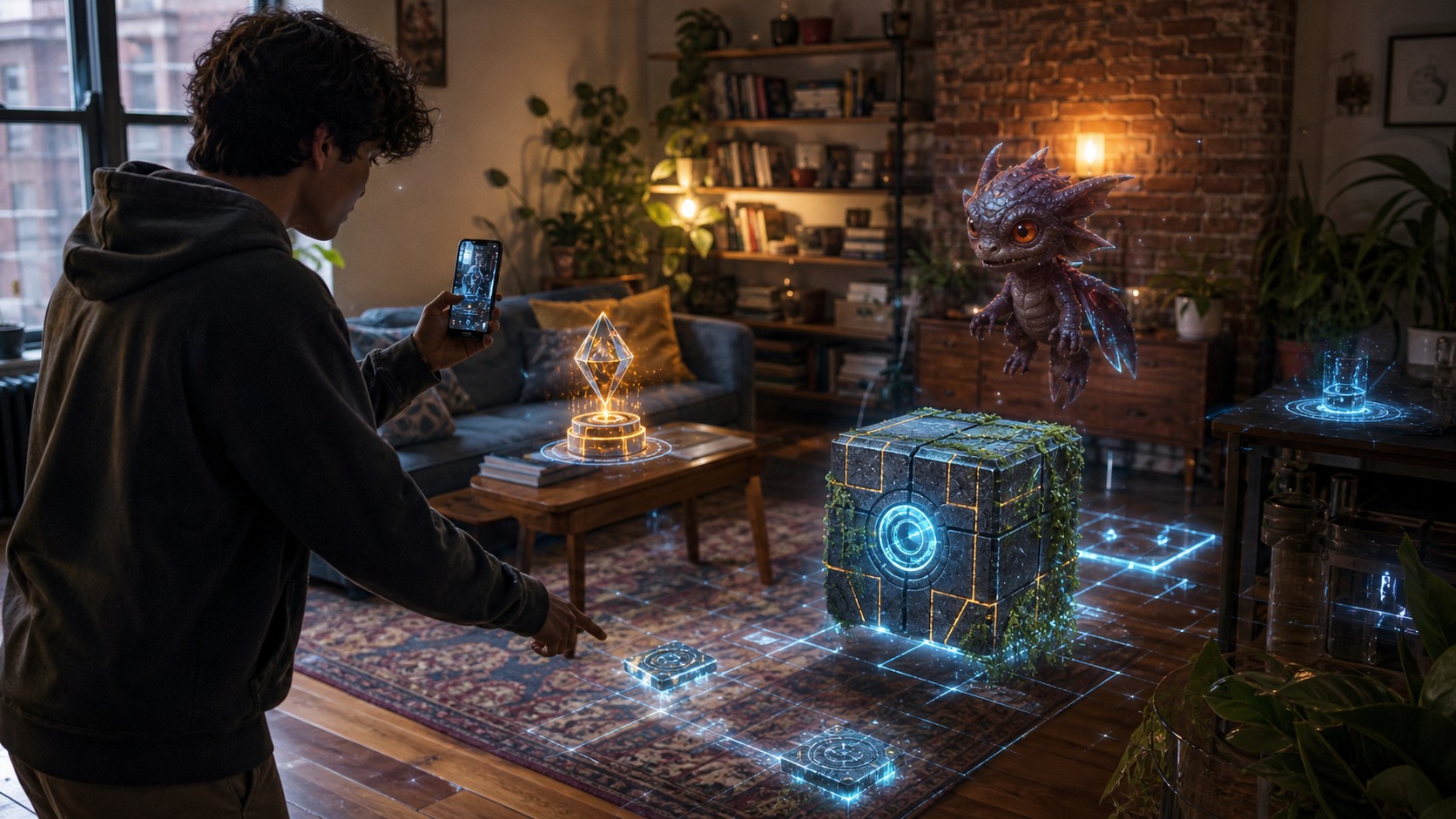
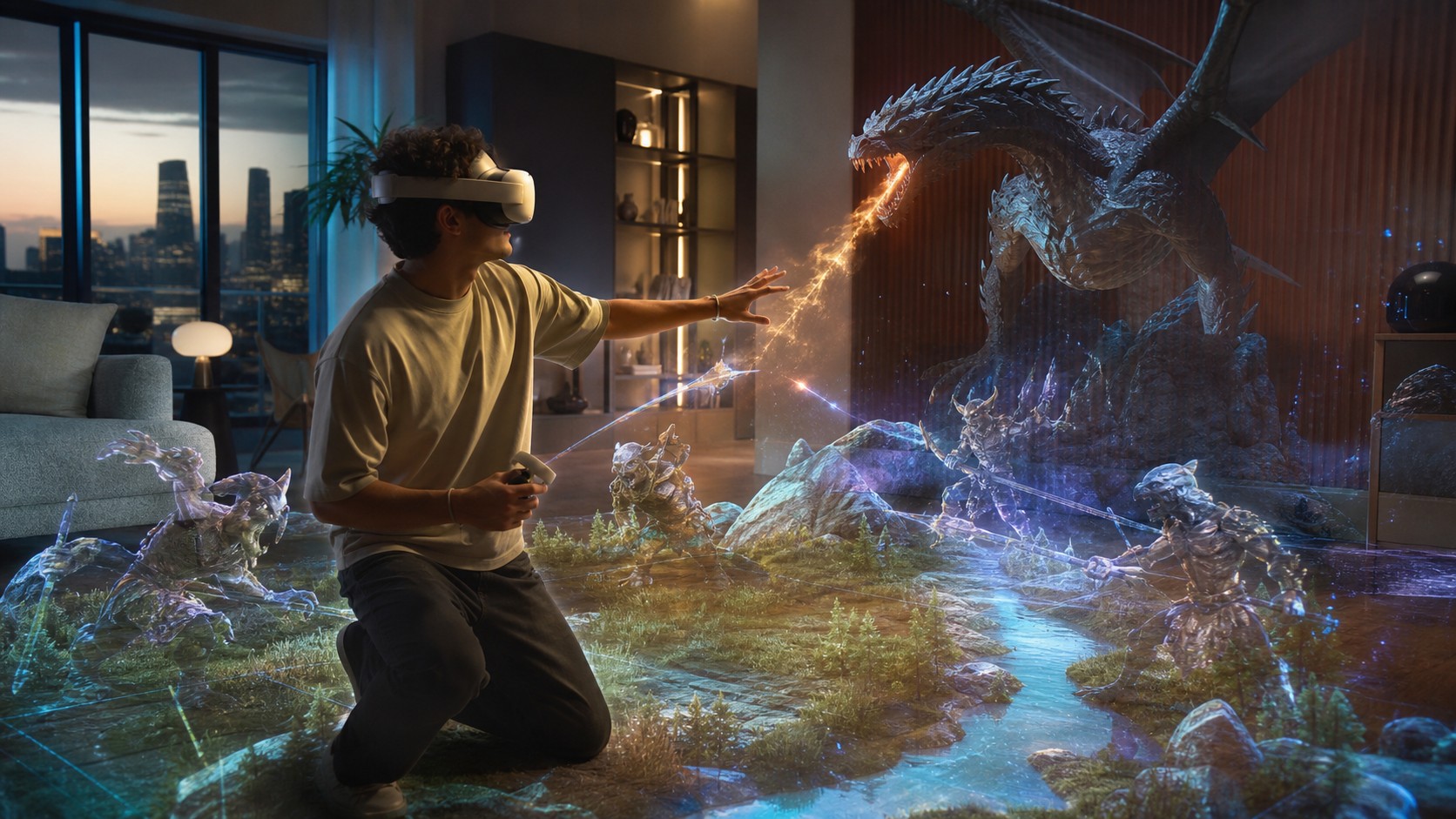
AR AI games blend real spaces with digital intelligence by understanding surfaces, obstacles, lighting, routes, and player movement.
AI-generated VR games could speed prototyping and world building, but great VR still needs comfort design, testing, taste, and human direction.
Adaptive VR games learn from body movement, confidence, fatigue, mistakes, and comfort settings to shape better sessions.
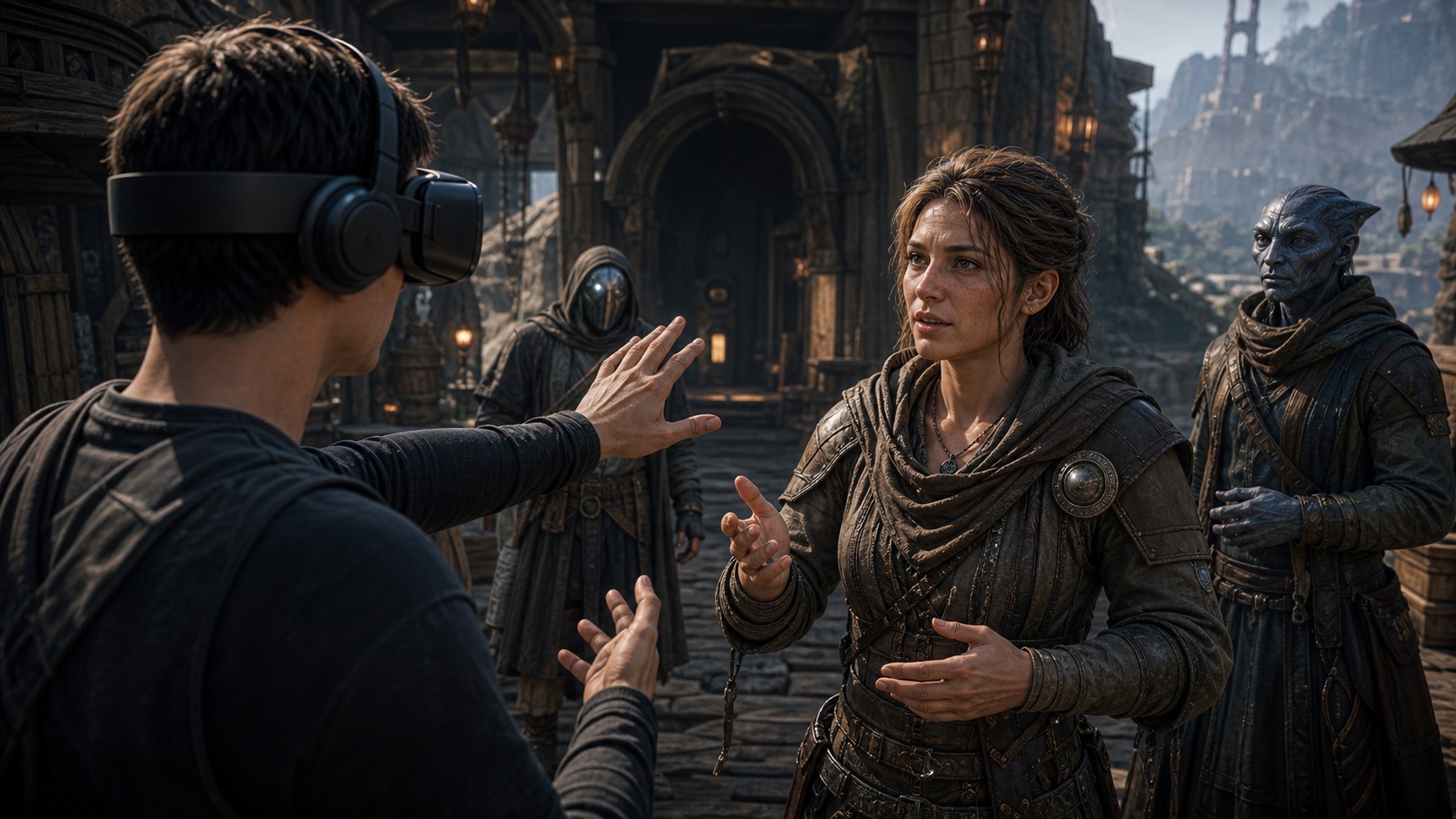
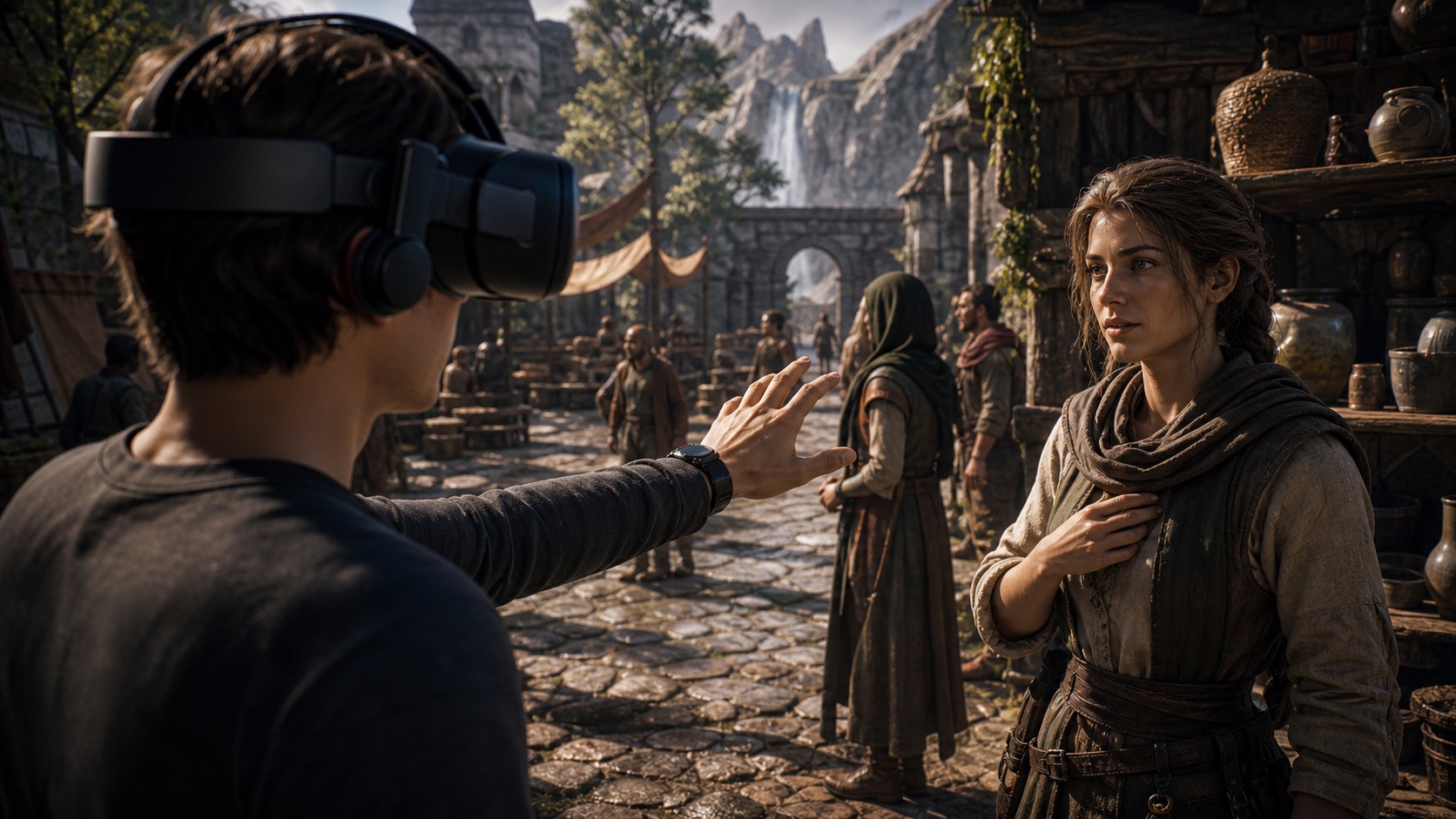
AI NPCs in VR finally feel real when they respond to gaze, distance, gesture, silence, and the physical presence of the player.
AI VR games feel alive when virtual characters and spaces notice body movement, gaze, distance, comfort, and player intent.
AI-driven worlds in VR and AR point toward spatial games that understand players, rooms, comfort, privacy, and persistent play.
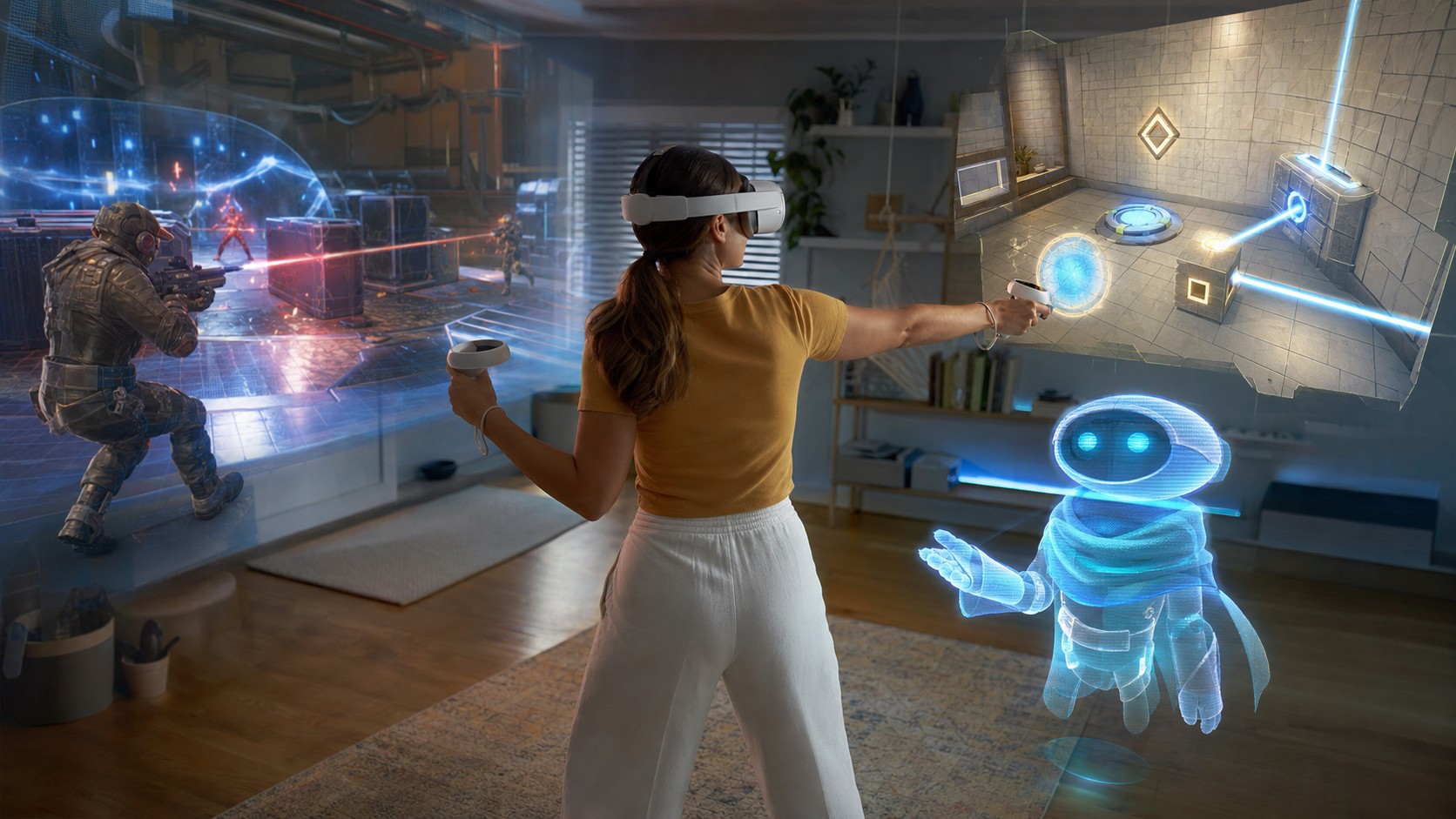
A player-focused guide to AI-powered VR games that use smarter enemies, adaptive training, responsive companions, and spatial interaction well.
AI is transforming VR and AR games in 2026 by making spatial worlds more responsive, personal, comfortable, and aware of real environments.