Cloud gaming sounds futuristic, but it is already reshaping how millions of people play video games today. Instead of buying expensive hardware or waiting for large downloads, players can jump straight into high-end games streamed over the internet. For beginners, the idea can feel abstract or even confusing, especially if you are used to consoles, gaming PCs, or mobile games that run directly on your device. This guide explains cloud gaming in clear, everyday language, breaking down how it works, why it matters, and what to expect as the technology continues to grow.
A: No, the game runs in the cloud.
A: Some services offer free tiers or trials.
A: Stable broadband with low latency is key.
A: It can, but good connections minimize delay.
A: Yes, most services support controllers.
A: No, they stream instantly.
A: Yes, but latency sensitivity varies.
A: Many smart TVs support cloud gaming.
A: The session may pause or disconnect.
A: It’s a major part of gaming’s evolution.
What Is Cloud Gaming, Really?
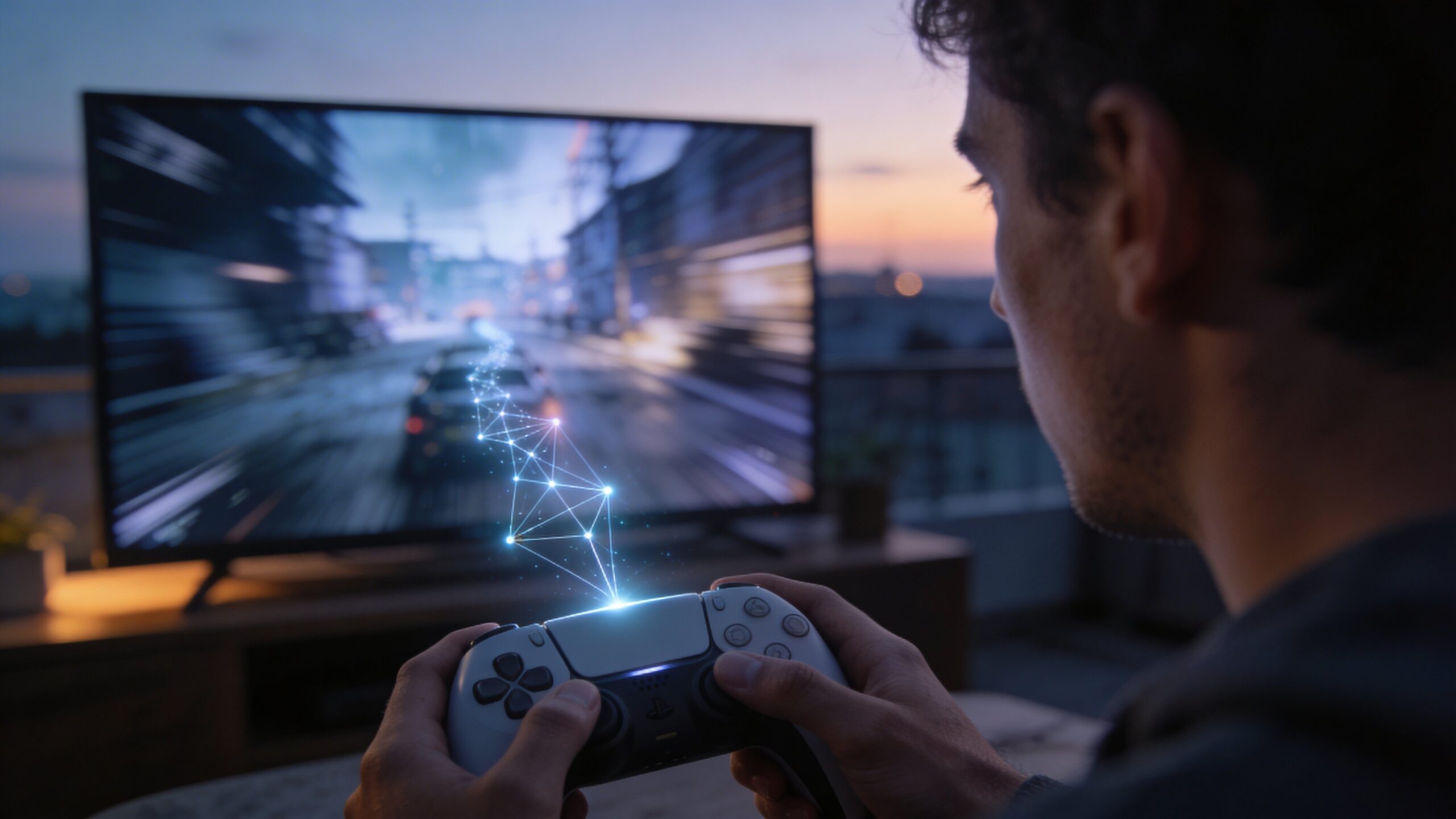
At its core, cloud gaming means that the game you are playing does not actually run on your local device. The heavy lifting happens on powerful computers housed in remote data centers. These computers run the game, render each frame, and stream the video output to your screen in real time. Your controller or keyboard inputs are sent back over the internet, allowing you to interact with the game almost as if it were running at home.
This model is similar to how streaming video works on services like movies or live sports, but with one critical difference: games are interactive. That interactivity is what makes cloud gaming technically challenging and also incredibly impressive when it works well.
How Cloud Gaming Works Behind the Scenes
When you press a button in a cloud gaming session, your input travels to a server somewhere else in the world. That server processes the input, updates the game state, renders the next frame, and sends a compressed video stream back to your device. All of this happens in fractions of a second. The goal is to keep this loop fast enough that you do not notice any delay.
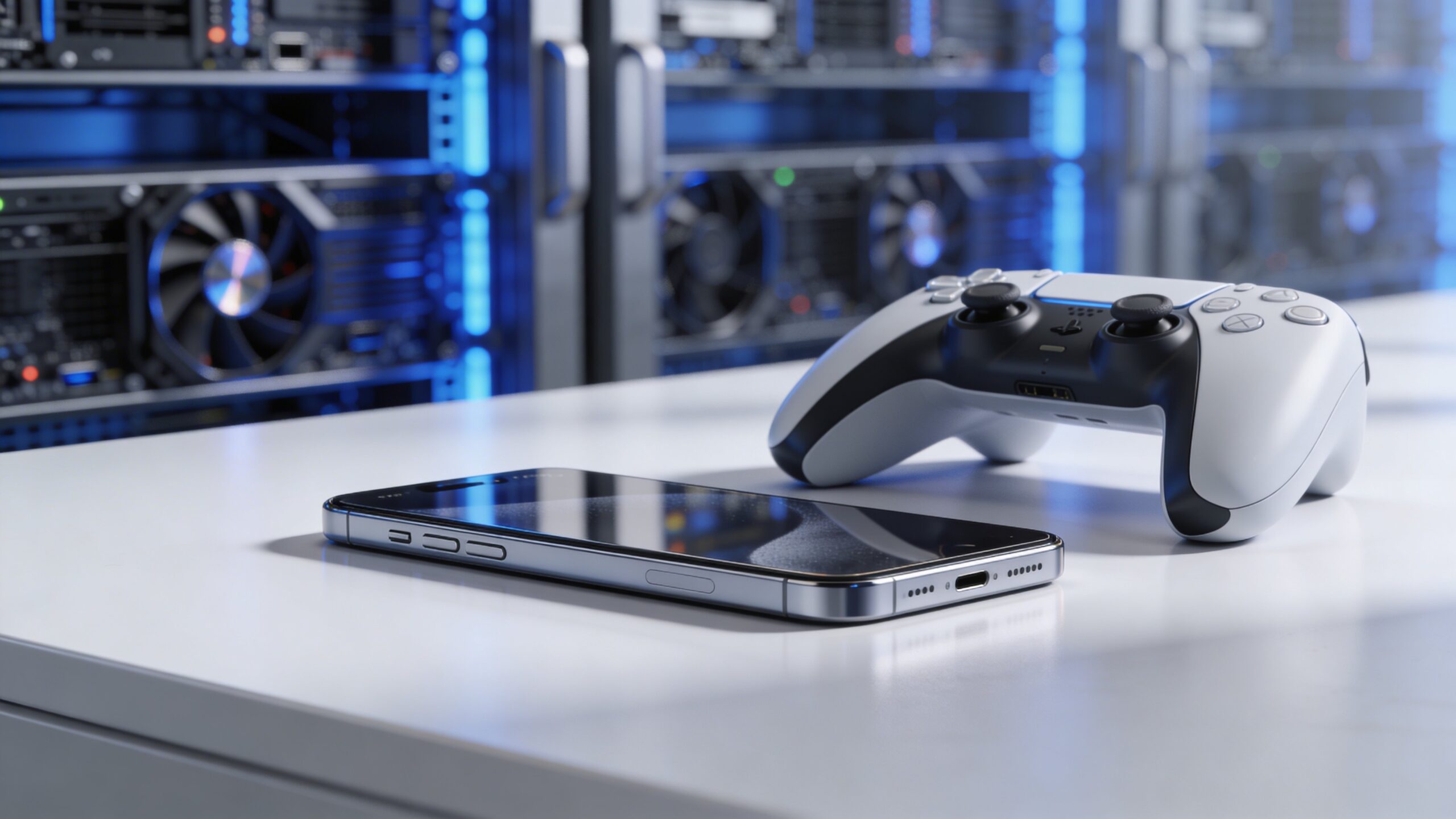
To make this possible, cloud gaming providers rely on specialized hardware, fast networking, and advanced video compression. Data centers are often placed close to major population centers so that physical distance does not introduce too much lag. The closer you are to a server, the faster your inputs can travel.
Why Cloud Gaming Exists
Cloud gaming emerged as a response to several long-standing problems in gaming. Hardware has become expensive and complex, with new consoles and graphics cards often costing hundreds or even thousands of dollars. Game files have also grown enormous, sometimes requiring hours of downloads and updates before you can play.
By moving computation to the cloud, companies can offer instant access to games without requiring users to own cutting-edge machines. In theory, a simple laptop, tablet, TV, or even a phone can become a powerful gaming system as long as it has a decent internet connection.
Devices You Can Use for Cloud Gaming
One of the most attractive features of cloud gaming is device flexibility. Because the game runs elsewhere, your local hardware mainly needs to display video and send inputs. Many services work on standard web browsers, mobile apps, smart TVs, and lightweight streaming boxes.
This flexibility allows players to start a game on one device and continue on another without worrying about transferring files or save data. It also lowers the barrier to entry for people who want to explore modern games without investing in specialized equipment.
Internet Speed and Why It Matters
Your internet connection plays a bigger role in cloud gaming than in traditional gaming. Download speed affects video quality, while upload speed affects how quickly your inputs reach the server. Latency, often referred to as ping, determines how responsive the game feels.
A stable, low-latency connection is generally more important than extremely high bandwidth. Even with fast internet, inconsistent Wi-Fi or network congestion can cause stuttering, blurry visuals, or input delay. Wired connections and modern routers can significantly improve the experience.
Understanding Latency Without Technical Jargon
Latency is simply the time it takes for information to travel from you to the server and back. In cloud gaming, high latency can make actions feel sluggish, like steering a car with a loose wheel. Even small delays can affect fast-paced games that rely on precise timing.
The good news is that many cloud gaming platforms use clever prediction techniques to reduce the perception of lag. By anticipating your likely inputs, the system can prepare frames in advance, making gameplay feel smoother than raw latency numbers might suggest.
Popular Cloud Gaming Platforms Today
Several major companies now offer cloud gaming services, each with its own approach. NVIDIA operates GeForce NOW, which allows users to stream games they already own on digital storefronts. Microsoft provides Xbox Cloud Gaming as part of its subscription ecosystem, integrating seamlessly with Xbox consoles and PCs.
Sony offers cloud streaming through its PlayStation ecosystem, focusing on console-style experiences. Amazon entered the space with Luna, leveraging its massive cloud infrastructure. Each service reflects its parent company’s strengths and long-term strategy.
Games Available Through the Cloud
Cloud gaming libraries range from indie titles to blockbuster releases. Some platforms require you to own the games separately, while others include games as part of a subscription. This difference affects both cost and convenience.
Because games run on standardized server hardware, developers can optimize performance more easily than across thousands of different consumer PCs. This can result in surprisingly consistent experiences, even for graphically demanding titles.
Visual Quality and Performance Expectations
Many beginners worry that streaming games will look worse than playing locally. In practice, visual quality depends on your connection and the platform’s encoding technology. At higher settings, cloud gaming can deliver sharp images with smooth frame rates that rival local play.
However, compression artifacts can appear during fast motion or in scenes with lots of detail. These moments usually last only a fraction of a second, but sensitive players may notice them. As compression algorithms improve, these issues are becoming less common.
Cloud Gaming Versus Consoles and PCs
Traditional consoles and gaming PCs still offer advantages, particularly for competitive players who demand the lowest possible latency. Local hardware also works offline and is unaffected by network issues. On the other hand, cloud gaming excels at convenience, accessibility, and reducing upfront costs.
For many players, the choice is not either-or. Cloud gaming can complement existing systems by enabling gaming on secondary devices or while traveling. It can also serve as a low-risk way to try new genres or franchises.
Cost Models and Subscriptions
Cloud gaming services typically use subscription models, pay-as-you-go options, or combinations of both. Subscriptions often include access to a rotating game library and streaming infrastructure, while games themselves may still need to be purchased.
This model shifts gaming from a hardware-centric investment to an ongoing service. For some players, this feels freeing; for others, it raises concerns about long-term costs and ownership. Understanding what you are paying for is essential before committing.
Data Usage and Practical Considerations
Streaming games consumes significant data, especially at high resolutions. Players with data caps should monitor usage carefully, as cloud gaming can use several gigabytes per hour. Adjusting resolution settings can reduce data consumption without making games unplayable.
Battery life is another consideration on mobile devices. While cloud gaming offloads computation, constant video streaming and networking can still drain batteries faster than casual apps.
Accessibility and Inclusivity Benefits
Cloud gaming has the potential to make gaming more inclusive. Players who cannot afford expensive hardware, or who have physical limitations that make setup difficult, can still enjoy modern games. Developers can also update accessibility features centrally, improving them without requiring players to download patches.
In regions where consoles are expensive or hard to find, cloud gaming can provide access to global gaming culture with fewer barriers.
Security and Privacy Concerns
Because games run on remote servers, cloud gaming providers handle user data, inputs, and accounts. Reputable companies invest heavily in security, but users should still be aware of account protection measures such as strong passwords and two-factor authentication. On the upside, cloud gaming reduces the risk of cheating through local software manipulation, since game logic resides on secure servers.
The Future of Cloud Gaming
As internet infrastructure improves worldwide, cloud gaming is likely to become more mainstream. Advances in edge computing, 5G networks, and even early 6G research aim to reduce latency further, making streamed games feel indistinguishable from local ones.
Cloud gaming also opens doors to new types of experiences. Massive simulations, shared virtual worlds, and AI-driven gameplay systems can run on powerful servers without worrying about consumer hardware limits. This could fundamentally change how games are designed.
Common Myths and Misunderstandings
A common myth is that cloud gaming will completely replace consoles and PCs. In reality, different players value different aspects of gaming, and multiple models can coexist. Another misconception is that cloud gaming only works with perfect internet connections. While quality matters, many services adapt dynamically to real-world conditions. Understanding these nuances helps beginners approach cloud gaming with realistic expectations rather than hype or skepticism.
Getting Started as a Beginner
For newcomers, the best way to explore cloud gaming is to try a free tier or trial. Testing performance on your own network provides clearer insight than reading specifications. Starting with slower-paced games can help you acclimate to the feel of streamed play before diving into competitive action titles.
Using a supported controller and a wired connection where possible can also improve first impressions significantly.
Cloud Gaming and the Bigger Picture of Digital Media
Cloud gaming is part of a broader shift toward cloud-based digital experiences. Music, movies, productivity software, and even professional tools now rely on remote servers. Gaming is following the same path, blending entertainment with cloud computing in ways that would have seemed impossible a decade ago. This shift does not erase traditional formats but adds new options, empowering users to choose how, where, and when they play.
Final Thoughts for Beginners
Cloud gaming is not magic, but it is a powerful combination of existing technologies used in clever ways. For beginners, it offers a low-commitment entry point into modern gaming, removing many traditional barriers. While it has limitations, those limitations are shrinking as infrastructure and software improve. Understanding how cloud gaming works helps demystify the experience and sets realistic expectations. Whether you see it as a supplement to your current setup or a primary way to play, cloud gaming represents an important step in the ongoing evolution of interactive entertainment.